







What's Happening?
Iran has sent its response to a U.S. ceasefire proposal through Pakistani mediators, aiming to end the war on all fronts, including in Lebanon. However, President Trump has rejected the response as 'TOTALLY UNACCEPTABLE!' Iran's proposal focuses on permanently
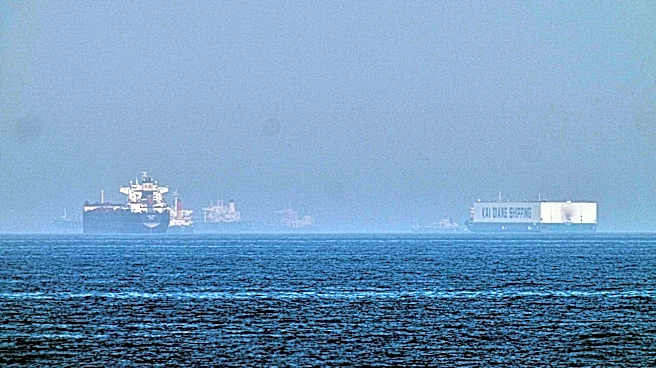
ending the war and ensuring the security of shipping through the Strait of Hormuz, while deferring nuclear negotiations. Meanwhile, drone attacks have targeted ships in the Persian Gulf, with incidents reported off the coasts of Qatar, UAE, and Kuwait. The situation remains tense as both sides continue to trade accusations and military readiness is heightened.
Why It's Important?
The rejection of Iran's response by President Trump highlights the ongoing challenges in reaching a diplomatic resolution to the conflict. The Strait of Hormuz is a critical passage for global oil supplies, and its security is paramount for international energy markets. The continued hostilities and drone attacks in the region pose risks to maritime trade and could lead to further escalation. The U.S. aims to reopen the strait and address Iran's nuclear program, but Iran's reluctance to engage on the nuclear issue complicates the path to peace. The situation has significant implications for regional stability and global economic conditions.
What's Next?
The U.S. and Iran are likely to continue diplomatic efforts to find a resolution, but the path forward remains uncertain. The involvement of international mediators and the potential for further negotiations could provide opportunities for progress. However, the risk of military escalation remains high, particularly with ongoing drone attacks and heightened military readiness. The international community will be watching closely for any developments that could impact global oil markets and regional security.