




What's Happening?
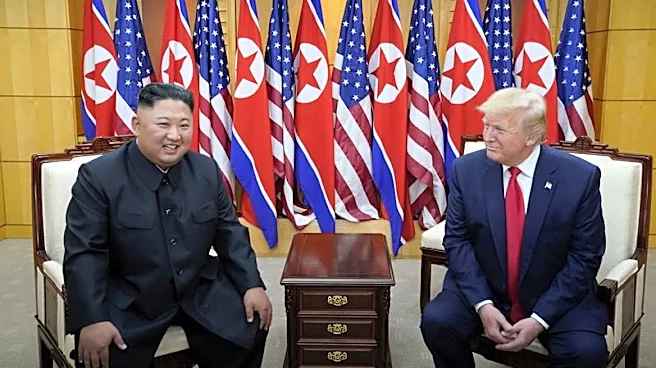
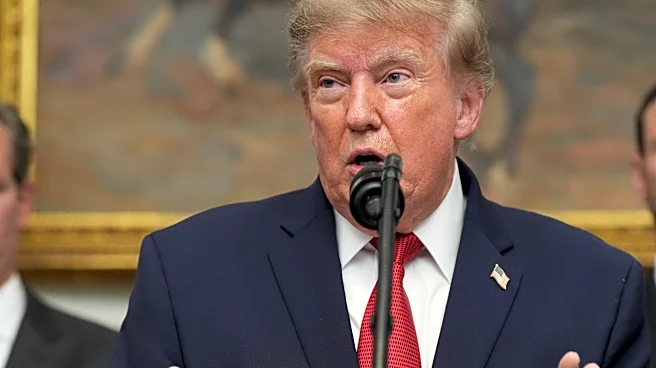
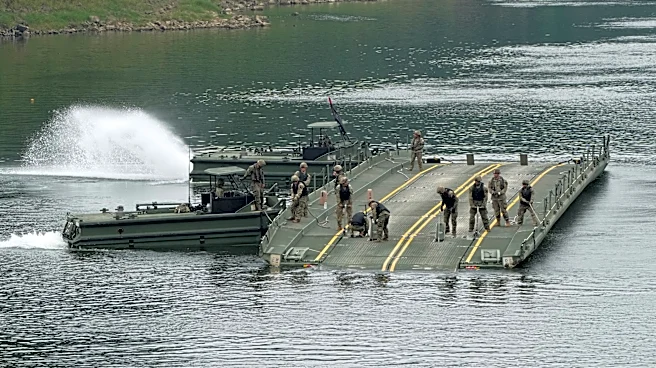
President Trump abruptly ended the annual joint military exercises between the U.S. and South Korea, citing the drills as too costly and 'totally inappropriate and hostile' towards North Korea. He expressed that North Korea, under Kim Jong Un, has been
'unthreatening and respectful' during his term. This decision, announced on Truth Social on August 16, has raised concerns among national security experts regarding its unintended consequences for the U.S.-South Korea alliance and regional stability. The early termination of these drills, which are a cornerstone of deterrence against North Korea, signals a significant shift in U.S. policy towards its allies in East Asia.
Why It's Important?
The early termination of joint military exercises between the U.S. and South Korea is a critical development with far-reaching implications for regional security. These drills are essential for maintaining military readiness, interoperability, and demonstrating the strength of the alliance as a deterrent against North Korean aggression. Their cancellation, particularly with President Trump's rationale, could be perceived as a weakening of the U.S. commitment to South Korea's defense. This perception might embolden North Korea to increase its provocations and could lead South Korea to question the reliability of its primary security partner. Furthermore, it could prompt South Korea to seek alternative security arrangements or significantly boost its own military capabilities, potentially contributing to an arms race in the region and destabilizing the delicate balance of power in East Asia.
What's Next?
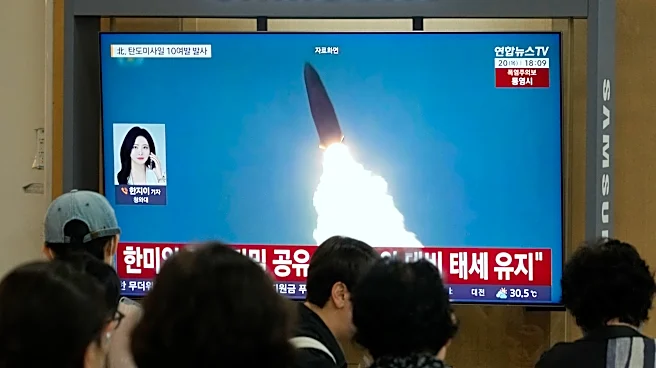
The immediate aftermath will likely involve South Korea and other U.S. allies in the region reassessing their security postures and potentially exploring new defense strategies. There could be increased pressure on South Korea to enhance its indigenous military capabilities or deepen security cooperation with other regional partners. North Korea may interpret this move as an opportunity to further its nuclear and missile programs or engage in more assertive actions, testing the limits of regional tolerance. The U.S. administration will likely face scrutiny from national security experts and lawmakers regarding the long-term strategic implications of such decisions on its alliances and global influence. The incident also sets a precedent for how the U.S. might engage with its allies in the future, potentially leading to more transactional and less predictable relationships.
Beyond the Headlines
This event highlights a deeper philosophical shift in U.S. foreign policy under President Trump, moving away from traditional alliance-based security towards a more unilateral and transactional approach. The characterization of long-standing defensive drills as 'hostile' to an adversary challenges the very premise of collective security. This shift could erode decades of trust and cooperation built with allies, leading to a more fragmented international security landscape. Ethically, it raises questions about the U.S.'s commitment to its allies' security and the potential for unintended consequences that could destabilize entire regions. The long-term impact could be a significant reordering of global power dynamics, with allies increasingly seeking self-reliance or forming new partnerships, thereby diminishing U.S. influence and potentially creating a less stable world order.