

What's Happening?
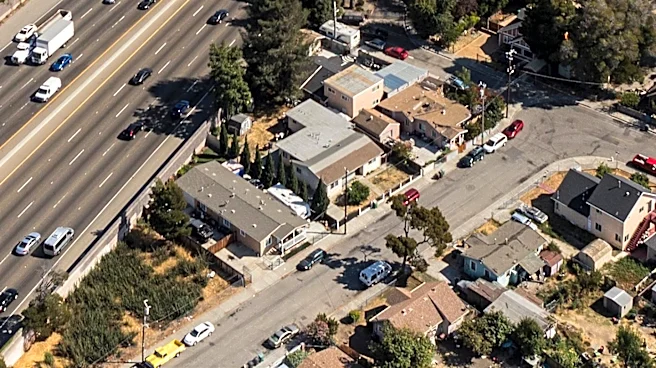
The Durham City Council is set to discuss a final Vision Plan regarding the future of the Durham Freeway. This freeway, constructed in the 1970s, was designed to connect Research Triangle Park to central Durham but resulted in the destruction of historic
Black communities, including parts of the Hayti community. Mayor Leonardo Williams stated that the city is re-evaluating how the road can better serve everyone, acknowledging past wrongs and aiming to use infrastructure and public policy to reconnect communities. The City Council will consider three primary options: a boulevard conversion, a freeway cap/land bridge, and freeway modernization. The boulevard conversion would remove the elevated freeway and replace it with an at-grade urban boulevard, prioritizing local access and restoring the street grid. The freeway cap option involves placing structural caps over the existing freeway to create new parks and plazas, preserving the road below while reconnecting neighborhoods. The modernization option would involve targeted upgrades and a reduced downtown footprint. The city has engaged in a years-long study with community input to develop this vision plan.
Why It's Important?
This discussion is important as it addresses historical injustices and the long-term impact of urban planning decisions on marginalized communities in the U.S. The construction of the Durham Freeway, like many urban infrastructure projects of its era, disproportionately affected Black neighborhoods, leading to displacement and community fragmentation. The proposed options represent different approaches to rectifying these past wrongs and fostering community revitalization. A boulevard conversion could significantly alter the urban landscape, prioritizing pedestrian and local traffic over high-speed regional travel, potentially leading to new housing opportunities and a more integrated urban fabric. The freeway cap option offers a compromise, aiming to reconnect neighborhoods and create green spaces without completely disrupting regional traffic flow. The financial implications are substantial, with costs ranging from $450 million to $800 million, highlighting the need for federal and state funding given Durham's limited local tax base. The outcome will set a precedent for how U.S. cities address the legacy of divisive infrastructure and pursue equitable urban development.
What's Next?
The Durham City Council will hold a work session to discuss the three proposed options for the freeway's future. Following this, the city will need to undertake several critical steps, including environmental review, establishing a governance structure for partnerships, executing preliminary engineering, and developing a comprehensive funding strategy. Mayor Williams emphasized that local funding alone is insufficient, necessitating significant collaboration and financial support from federal and state governments. The community's feedback, which suggests the modernization option does not go far enough, indicates a strong desire for more transformative change. The decision will likely involve extensive public engagement and negotiations with various stakeholders, including the North Carolina Department of Transportation (NCDOT), which owns and maintains the freeway. The process will determine whether Durham moves towards a significant overhaul that prioritizes community reconnection and historical redress or opts for less impactful modifications.
Beyond the Headlines
Beyond the immediate infrastructure changes, this initiative delves into deeper ethical and social dimensions concerning urban planning and racial equity in the U.S. The Durham Freeway's history is a stark reminder of how infrastructure projects can exacerbate social inequalities and dismantle established communities. The city's acknowledgment of 'past wrongs' and its commitment to using public policy to 'bring people back together' signifies a broader shift in urban development philosophy, moving from purely utilitarian infrastructure to projects that prioritize social justice and community well-being. The debate over the freeway's future reflects a national conversation about reparations for historical injustices and the role of government in healing divided communities. The success of this project could serve as a model for other U.S. cities grappling with similar legacies, demonstrating how intentional planning can foster reconciliation and create more inclusive urban environments. It also highlights the complex interplay between local aspirations, state ownership, and federal funding in large-scale urban redevelopment.