



What's Happening?
Edge computing is a distributed computing model that processes data closer to its source, rather than relying solely on distant cloud data centers. This approach involves 'edge nodes'—small servers, gateway devices, or computing units—that receive and
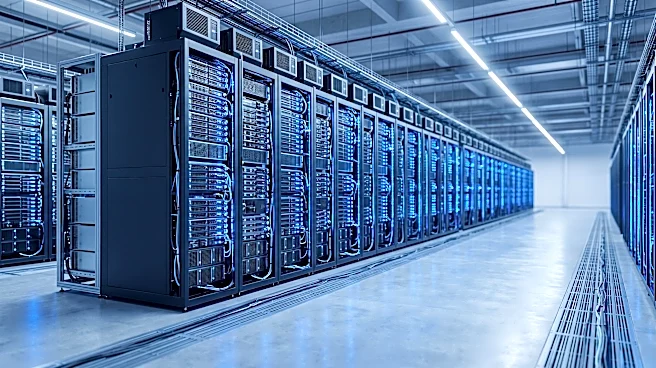
process data from nearby devices like sensors, cameras, and smartphones. By handling data locally, edge computing aims to reduce latency, decrease bandwidth usage, improve reliability, and enhance privacy. For instance, a traffic camera can analyze vehicle flow and adjust signals without sending data to a remote server, and smartphones can process facial recognition or voice commands on the device itself. This contrasts with traditional cloud computing, which centralizes data processing in large data centers, making it suitable for heavy analysis and long-term storage. Edge computing is seen as an extension of cloud computing, with both working in tandem: the edge handles immediate, local tasks, while the cloud manages more intensive, long-term processing and data storage.
Why It's Important?
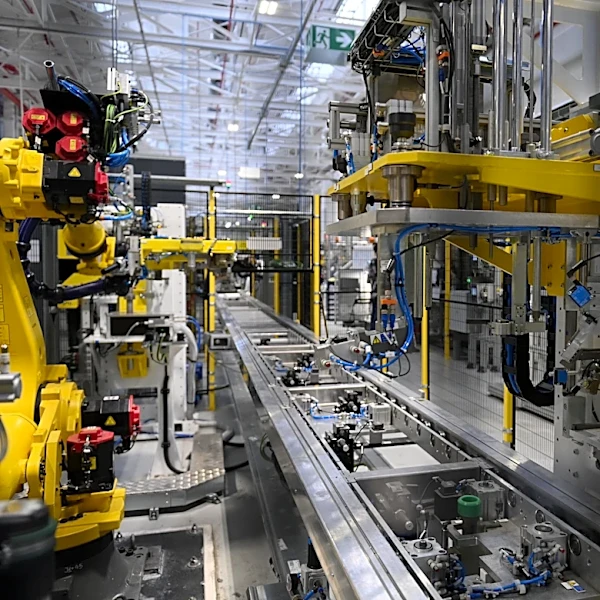
The shift towards edge computing is significant for U.S. industries and society due to its direct impact on real-time applications and data security. Industries such as manufacturing, healthcare, and autonomous vehicles heavily rely on instantaneous data processing, where even milliseconds of delay can be critical. Edge computing enables these sectors to operate more efficiently and safely by providing immediate responses to sensor readings or critical events. For example, in manufacturing, edge devices can detect equipment failures early, preventing costly downtime. In healthcare, patient monitors can identify dangerous changes without network delays. Furthermore, edge computing offers improved data privacy by keeping sensitive information local, reducing the risk of interception or exposure during transit to distant data centers. This is particularly crucial for compliance with data residency regulations and protecting personal health information. While it introduces challenges in managing distributed devices and security, the benefits of speed, reliability, and privacy make it a vital component for the growing number of connected devices and AI applications.
What's Next?
The future of computing will likely involve a hybrid model where edge and cloud computing work together seamlessly. As the number of connected devices continues to grow and the demand for faster decision-making increases, more processing will migrate closer to the data source. Artificial intelligence is a key driver of this trend, as running trained AI models on edge devices becomes increasingly practical, allowing devices to recognize patterns and respond without cloud intervention. This partnership will see the cloud continue to be the hub for heavy analysis and model training, while the edge will manage immediate, time-sensitive decisions, local data filtering, and privacy-sensitive processing. The ongoing development of faster mobile networks, such as 5G, will further enhance the capabilities and practicality of edge computing, enabling more sophisticated real-time applications across various sectors.
Beyond the Headlines
The widespread adoption of edge computing introduces complex ethical and legal considerations, particularly concerning data ownership, surveillance, and accountability. While edge processing enhances privacy by keeping data local, the proliferation of edge devices, such as smart cameras and sensors, also raises questions about continuous monitoring and data collection in public and private spaces. Determining who owns the data processed at the edge and how it can be used, especially when aggregated in the cloud, will be a critical legal challenge. Furthermore, the distributed nature of edge systems complicates security and incident response, as a compromised edge device could become a weak point in a larger network. Ensuring robust security measures, consistent updates, and clear accountability frameworks for these geographically dispersed devices will be essential to prevent misuse and maintain public trust. The balance between the benefits of real-time processing and the potential for increased surveillance and security vulnerabilities will shape future regulations and technological developments.