






What's Happening?
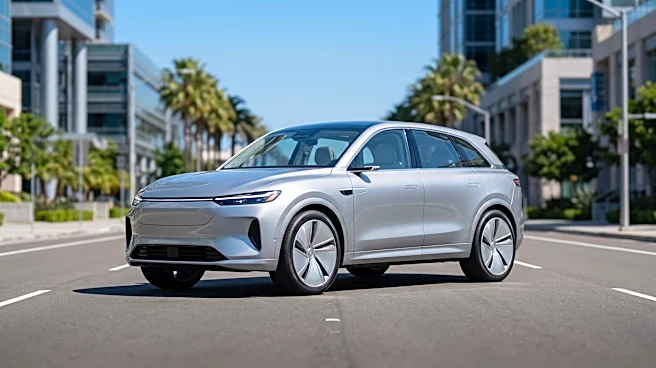
Waymo, a leading autonomous driving technology company, has expanded its public robotaxi service to three new U.S. cities: Tampa, San Diego, and Denver. This expansion brings Waymo's total operational footprint to 14 cities across the country. The company officially
launched its services in these new locations, allowing public riders to utilize its autonomous vehicles for transportation. While the service areas within these cities are initially limited to specific zones, Waymo aims to gradually broaden its coverage. According to Suzanne Philion, Chief Marketing Officer at Waymo, the company is focused on making everyday transportation safer, easier, and more accessible. Tens of thousands of residents in each of these new cities have already expressed interest and signed up for the service, indicating a strong demand for autonomous ride-hailing options.
Why It's Important?
The expansion of Waymo's robotaxi service into Denver, San Diego, and Tampa signifies a significant step forward in the commercialization and widespread adoption of autonomous vehicle technology in the U.S. This move has implications for urban transportation, potentially offering new mobility solutions and reducing reliance on traditional ride-sharing and personal vehicle ownership. For residents in these cities, it introduces an alternative transportation method that could enhance accessibility, particularly for individuals who may not drive, such as older adults or those with visual impairments, as highlighted by Laura Streed of AARP Florida and Julia Cardenas of the National Federation of the Blind, San Diego Chapter. The growth of robotaxi services also impacts the automotive industry, encouraging further investment and development in autonomous driving systems, and could lead to shifts in urban planning and infrastructure as cities adapt to accommodate these new modes of transport.
What's Next?
Waymo plans to steadily increase the availability of its robotaxi service to more riders in Denver, San Diego, and Tampa, with the ultimate goal of opening the service to everyone in these areas. As the vehicles become more prevalent on the streets, the company anticipates a surge in public interest and adoption. This expansion will likely lead to further data collection on autonomous vehicle performance in diverse urban environments, contributing to the refinement and safety of the technology. The success and public reception in these new markets could influence Waymo's future expansion plans into additional U.S. cities. Furthermore, the increased presence of robotaxis may prompt local governments to develop or update regulations concerning autonomous vehicles, addressing aspects such as safety standards, operational guidelines, and integration with existing transportation networks.
Beyond the Headlines
The continued expansion of Waymo's robotaxi service raises deeper questions about the future of urban mobility, employment in the transportation sector, and societal perceptions of artificial intelligence. As autonomous vehicles become more common, there could be a long-term impact on the demand for human drivers in ride-hailing and delivery services, potentially leading to economic shifts in these industries. Ethically, the deployment of self-driving cars necessitates ongoing discussions about accountability in the event of accidents and the development of robust ethical frameworks for AI decision-making. Culturally, the increasing presence of driverless cars challenges traditional notions of driving and personal freedom, potentially reshaping how individuals interact with transportation and their urban environments. The gradual integration of robotaxis into daily life could also influence urban design, with potential changes in parking infrastructure and public space utilization.