



What's Happening?
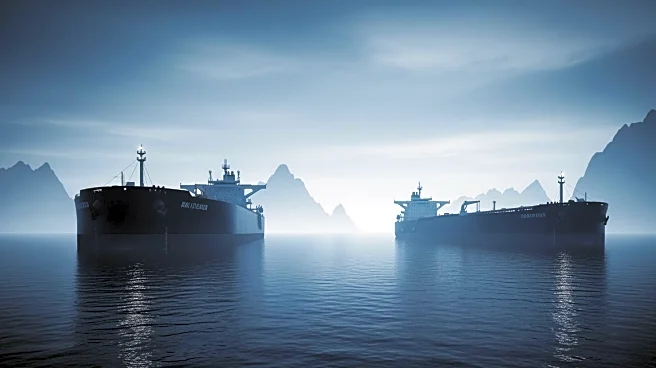
Iran has seized two foreign oil tankers in the Persian Gulf, according to state media reports. This development comes amid heightened tensions in the region, particularly involving Iran and the United States. The seizure of these tankers is part of a broader
pattern of maritime confrontations in the Gulf, which is a critical route for global oil shipments. The Iranian government has not disclosed the nationalities of the seized vessels or the reasons behind their detention. This incident adds to the ongoing geopolitical tensions in the Middle East, where Iran has been involved in various maritime disputes.
Why It's Important?
The seizure of oil tankers in the Persian Gulf has significant implications for global oil markets and regional stability. The Gulf is a vital artery for oil transportation, and disruptions can lead to fluctuations in oil prices, affecting economies worldwide. For the U.S., which has strategic interests in the region, such actions by Iran could necessitate a diplomatic or military response to ensure the security of maritime routes. The incident also underscores the fragile nature of U.S.-Iran relations, which have been strained over issues such as nuclear agreements and regional influence. Stakeholders in the oil industry, including companies and governments, are likely to monitor the situation closely, as further escalations could impact oil supply and prices.
What's Next?
The international community, particularly countries with vested interests in the Gulf, may call for diplomatic interventions to de-escalate tensions. The U.S. and its allies might increase naval patrols in the region to deter further incidents. Additionally, there could be calls for negotiations between Iran and other Gulf states to address maritime security concerns. The outcome of these developments will be crucial in determining the stability of oil markets and regional peace.