









What's Happening?
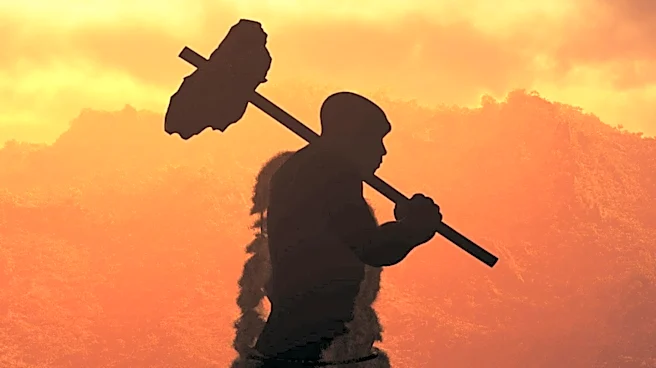
A study led by Dr. Ariel Malinsky-Buller from the Hebrew University of Jerusalem suggests that prehistoric hunter-gatherer communities in the southern Caucasus survived climate change through extensive social networks. These networks facilitated knowledge
sharing and long-distance mobility, crucial for the resilience of small, dispersed populations. The research, published in Quaternary Science Reviews, challenges the notion that environmental adaptation alone ensured survival, highlighting the importance of social connections in prehistoric times.
Why It's Important?
The study offers a new perspective on how ancient communities adapted to environmental changes, emphasizing the role of social networks. This insight could reshape current understanding of human resilience and adaptation strategies, providing valuable lessons for modern societies facing climate change. It underscores the importance of social cohesion and knowledge exchange in overcoming environmental challenges.