




What's Happening?
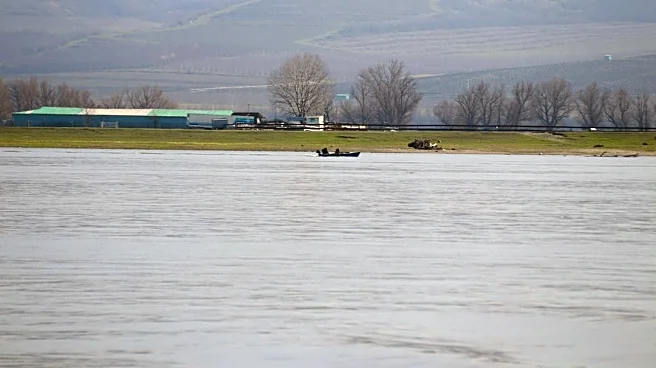
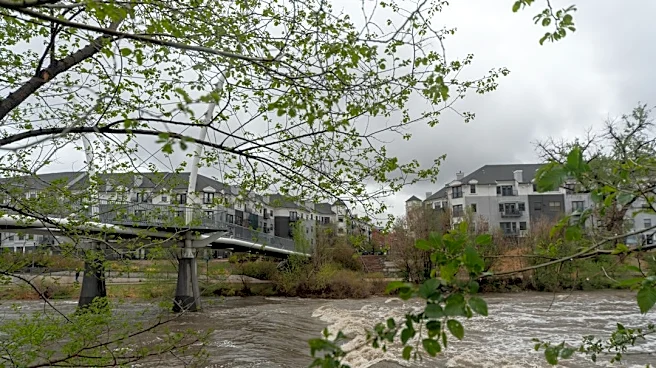
Southwestern Colorado is grappling with severe flooding following back-to-back storms, leading to widespread evacuations and road closures. Although the San Juan River crested below the historic levels initially feared, reaching approximately 16 feet
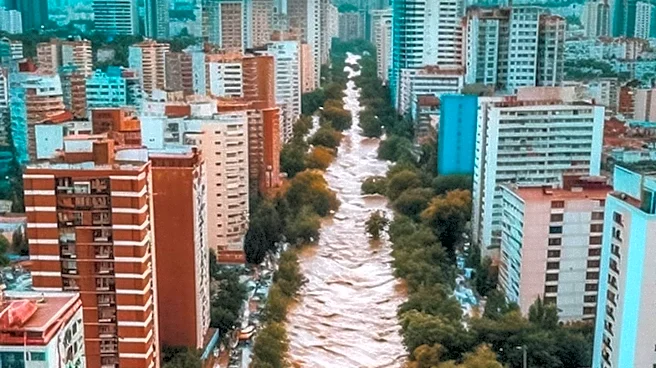
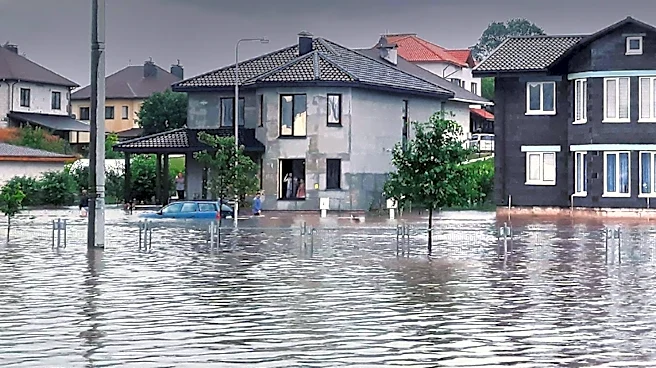
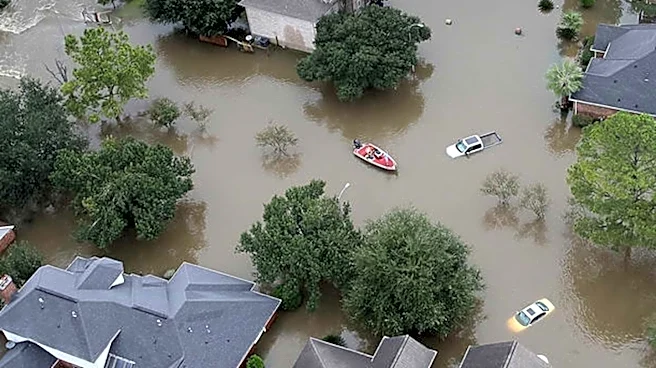
instead of the forecast 22 feet, the saturated ground and continuous rainfall have exacerbated flooding across the region. Many areas, including Pagosa Springs, Durango, and parts of Archuleta, Conejos, La Plata, and Rio Grande counties, have been significantly impacted. The Animas River in Durango has been closed to recreation due to dangerous currents and potential contamination. Numerous residents have experienced power outages, and first responders are actively working to reach stranded individuals and assess the damage.
Why It's Important?
The ongoing flooding in southwestern Colorado poses immediate threats to public safety, infrastructure, and local economies. Evacuations and road closures disrupt daily life, commerce, and access to essential services. The damage to roads and bridges will require significant resources for repair, impacting transportation networks for an extended period. Furthermore, the risk of landslides, rockfalls, and debris flows in the mountainous terrain adds another layer of danger and complexity to recovery efforts. The repeated nature of these severe weather events highlights the increasing vulnerability of communities to extreme weather patterns, potentially linked to broader climate trends. This situation underscores the critical need for robust infrastructure, effective emergency response systems, and long-term climate adaptation strategies in vulnerable regions.
What's Next?
As floodwaters begin to recede, authorities will focus on assessing the full extent of the damage, which is expected to take several days. Emergency services will continue search and rescue operations and provide assistance to displaced residents, many of whom are housed in evacuation centers. Efforts to restore power and clear roads will be prioritized. Local officials are urging residents to maintain flood preparations, such as sandbags, as water levels may continue to fluctuate. The long-term recovery will involve significant financial investment for infrastructure repair and community rebuilding. The repeated flooding events may also prompt discussions about enhanced flood mitigation measures and land-use planning in the affected areas.
Beyond the Headlines
The severe flooding in southwestern Colorado brings to light the increasing challenges faced by communities in adapting to more frequent and intense weather events. The resilience of local populations, as evidenced by community support and volunteer efforts, is crucial in such crises. However, the economic and social toll of repeated disasters can be substantial, leading to long-term displacement, property loss, and psychological stress. This situation also raises questions about the adequacy of existing infrastructure to withstand extreme weather and the need for proactive investment in climate-resilient development. The impact on natural ecosystems, including potential contamination of rivers and changes in landscape, will also have lasting consequences, affecting local wildlife and resource management.