




What's Happening?
A diver in Mauritius captured footage of a sea cucumber engaging in bioturbation, a process where these creatures eat, digest, and excrete sediment, contributing to the health of marine ecosystems. This natural activity helps recycle nutrients and maintain
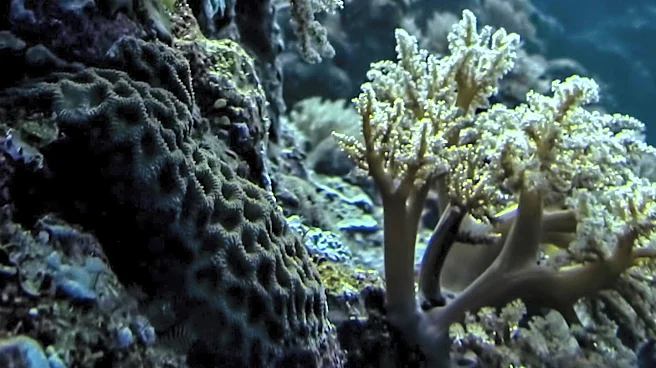
the balance of the ocean floor. A study highlighted that sea cucumbers can excrete over 60,000 tonnes of sediment annually across coral reefs, equivalent to the mass of five Eiffel Towers. This process is crucial for the health of coral reefs and the broader marine environment.
Why It's Important?
Sea cucumbers play a critical role in maintaining the health of marine ecosystems. Their bioturbation activities help recycle nutrients, which supports the growth of coral reefs and other marine life. This process is essential for the sustainability of marine biodiversity and the health of oceanic environments. The decline in sea cucumber populations due to overfishing and habitat destruction could have significant negative impacts on marine ecosystems, highlighting the need for conservation efforts to protect these vital creatures.
What's Next?
Conservation efforts may focus on protecting sea cucumber habitats and regulating fishing practices to prevent overexploitation. Marine protected areas could be established to safeguard these creatures and their ecosystems. Additionally, public awareness campaigns could educate people about the importance of sea cucumbers and the need to preserve marine biodiversity. International cooperation will be crucial in implementing effective conservation strategies.