






What's Happening?
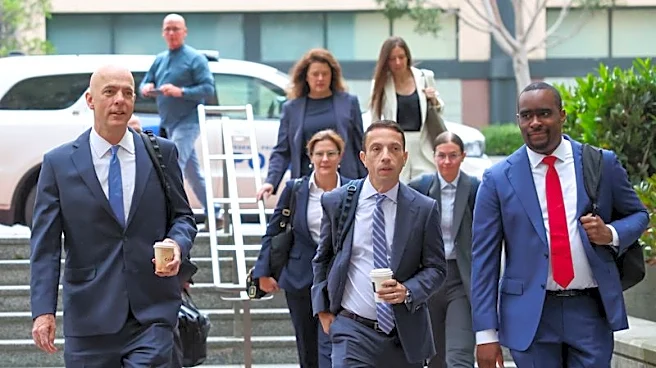
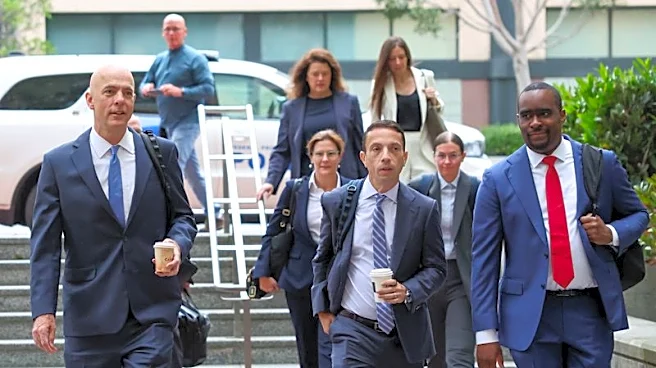
A landmark trial against Meta Platforms is underway, with former Meta engineering director Arturo Bejar testifying that CEO Mark Zuckerberg fostered a company culture that prioritized growth and engagement over child safety on Facebook and Instagram.
Bejar, a vocal critic of Meta’s safety record, stated that Zuckerberg was deeply involved in decision-making and that product design changes only occurred if he ordered them. He disputed Zuckerberg's 2021 claims that Meta constantly used research to improve its products, asserting that Meta had a 'don’t ask, don’t tell' policy regarding child safety to protect profits. The trial, brought by a coalition of states including California, Colorado, Kentucky, and New Jersey, alleges that Meta designed its platforms to addict young users, leading to anxiety, depression, and suicide, and improperly collected personal data from children under 13. Bejar, who worked at Meta from 2009 to 2015 and as an independent contractor from 2019 to 2021, previously testified before a U.S. Senate committee in 2023 about Meta's alleged failure to address harassment and harm to teenagers on its platforms. The trial is expected to last six weeks, with Zuckerberg anticipated to testify.
Why It's Important?
This trial represents a significant legal challenge to the social media industry, particularly regarding its impact on young users. The allegations that Meta intentionally designed its platforms to be addictive and prioritized profits over child safety could lead to substantial civil penalties and mandated changes to Facebook and Instagram. A ruling against Meta could set a precedent for how social media companies are held accountable for the well-being of their younger users, potentially influencing product design, data collection practices, and content moderation across the industry. The outcome could also empower regulators and consumer protection agencies to impose stricter oversight on tech companies, forcing them to re-evaluate their business models in favor of user safety. For parents and child advocates, this trial highlights ongoing concerns about the psychological effects of social media on children and teenagers, potentially leading to increased demand for safer online environments and greater transparency from tech companies.
What's Next?
The trial is expected to continue for six weeks, during which more witnesses will testify, and Meta CEO Mark Zuckerberg is anticipated to take the stand. Following the testimony, jurors will issue an advisory verdict, and U.S. District Judge Yvonne Gonzalez Rogers will determine Meta's liability and any civil penalties or required changes to its platforms. The outcome could lead to significant financial repercussions for Meta, potentially in the hundreds of millions or even billions of dollars, similar to a previous case in New Mexico that resulted in a $942 million judgment. Beyond financial penalties, the court could order Meta to implement specific product design changes aimed at enhancing child safety and reducing addictive features. This trial may also spur further legislative action at both state and federal levels to regulate social media platforms, particularly concerning their impact on minors. Other social media companies will likely closely monitor the proceedings, as the precedent set could influence their own practices and legal vulnerabilities.
Beyond the Headlines
The trial delves into the ethical responsibilities of technology companies, particularly concerning vulnerable populations like children. The testimony about Meta's alleged 'don’t ask, don’t tell' policy on child safety raises profound questions about corporate accountability and the balance between profit motives and societal well-being. This case could contribute to a broader cultural shift in how society views and regulates digital platforms, moving towards a model where user safety, especially for minors, is a primary design consideration rather than an afterthought. It also highlights the power dynamics within large tech corporations, where a CEO's priorities can significantly shape product development and corporate culture, potentially overriding internal safety concerns. The legal battle may also intensify the debate around data privacy for minors, pushing for more robust protections and stricter enforcement of existing laws like COPPA. Ultimately, this trial could redefine the social contract between tech giants and their users, emphasizing a greater duty of care.