




What's Happening?
The Houthis have intensified their offensive in Yemen, leading to a resurgence of the civil war and escalating conflict with Saudi Arabia. This renewed fighting is seen as a spillover from President Trump's Iran policy. The Houthis have made rapid advances
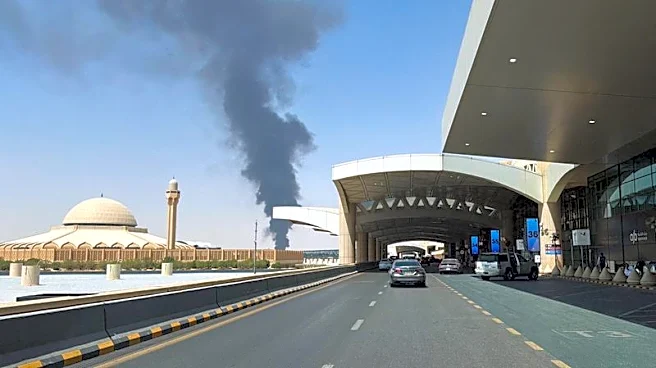
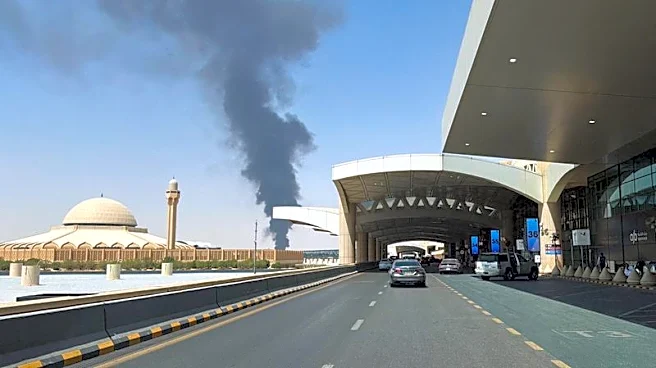
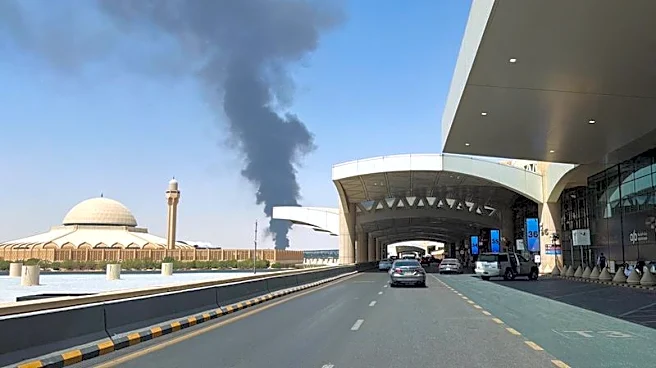
along Yemen's Red Sea coast, seizing a strategic port city and islands, thereby gaining control over the Bab al-Mandab strait, a vital waterway for energy shipments. They have also expanded their offensive into Yemen's eastern region, targeting provinces with significant oil and gas fields, which are currently under the control of the internationally recognized government supported by Saudi Arabia. This escalation has displaced over 100,000 people within Yemen and forced thousands to flee to Djibouti. The Houthis have also attacked oil facilities and infrastructure within Saudi Arabia in retaliation for Saudi airstrikes.
Why It's Important?
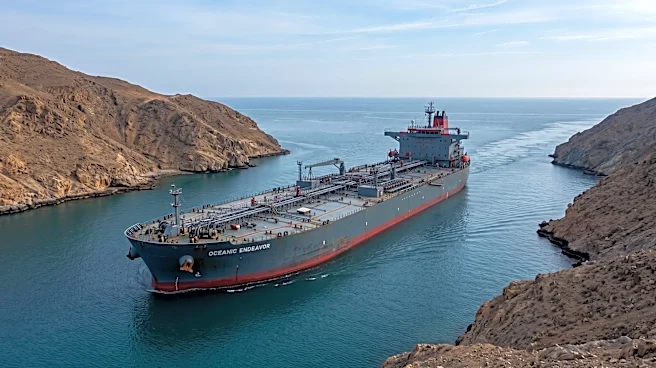
The renewed Houthi offensive and their control over the Bab al-Mandab strait have significant implications for global energy supplies and prices. With Iran's influence over the Strait of Hormuz and the Houthis now controlling Bab al-Mandab, a substantial portion of the Middle East's energy chokepoints are under the sway of Iran and its allies. This situation forces Saudi Arabia to reroute oil shipments through longer and more expensive routes, impacting global oil markets. The drone attack on Saudi Arabia's East-West pipeline, attributed to Iranian-backed Shia militias, further exacerbates concerns about energy security and could lead to a substantial increase in crude oil prices. The conflict also highlights the humanitarian crisis in Yemen, which was already one of the world's worst, with nearly half the population requiring aid. The U.S. is indirectly affected by these developments through global energy markets and the broader geopolitical instability in a critical region.
What's Next?
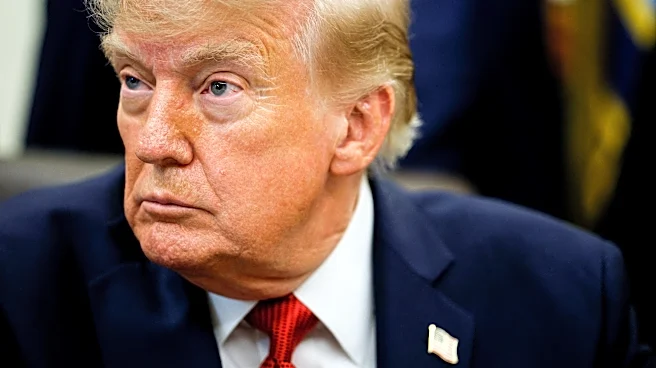
The conflict is expected to continue, with the Houthis aiming to consolidate their territorial gains, particularly in resource-rich areas. Saudi Arabia will likely continue its efforts to counter Houthi advances and protect its infrastructure, potentially leading to further retaliatory actions from the Houthis. The humanitarian situation in Yemen is projected to worsen, demanding increased international attention and aid. President Trump's administration faces a complex foreign policy challenge, balancing its stance on Iran with the need to maintain regional stability and protect global energy interests. While President Trump has reportedly ruled out direct U.S. attacks against the Houthis, the pressure from allies like Saudi Arabia for intervention may persist. Negotiations for a permanent peace agreement in Yemen, which have stalled in the past, will likely remain difficult given the Houthis' increased leverage and the ongoing regional chaos.
Beyond the Headlines
The current escalation in Yemen underscores the unintended consequences of broader geopolitical strategies, particularly President Trump's approach to Iran. The conflict illustrates how regional power vacuums and proxy wars can quickly spiral, impacting global economic stability and exacerbating humanitarian crises. The Houthis' strategic moves to control vital waterways and energy infrastructure demonstrate their growing sophistication and influence, challenging traditional notions of state-centric power dynamics. The situation also highlights the vulnerability of global supply chains and energy infrastructure to regional conflicts. The long-term implications include a potential reshaping of maritime trade routes, increased volatility in energy markets, and a deepening of the humanitarian catastrophe in Yemen, all of which will require sustained international engagement and complex diplomatic solutions.