
What's Happening?
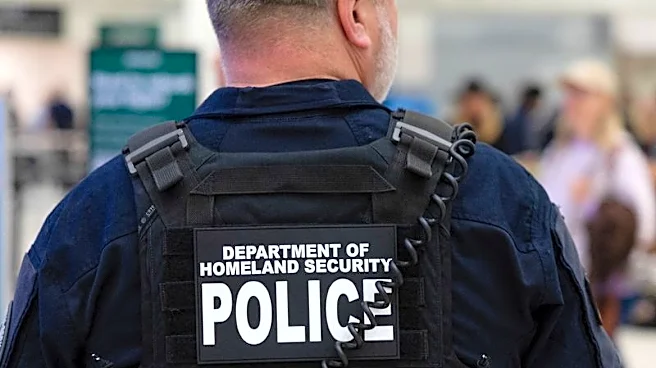
President Trump has proposed a new budget for 2027 that includes a significant push towards privatizing airport security screening, currently managed by the Transportation Security Administration (TSA). This proposal suggests that small airports should
join the TSA's Screening Partnership Program, which allows private companies to handle security under TSA supervision. The administration argues that this move could save $52 million and initiate reforms within the TSA, which it describes as a troubled federal agency. Currently, 20 U.S. airports, including San Francisco International and Kansas City International, already use private companies for security screening. The proposal comes amid ongoing discussions about the efficiency and reliability of TSA operations, especially highlighted during recent government shutdowns where TSA employees faced unpaid periods.
Why It's Important?
The proposal to privatize TSA security screening is significant as it reflects a broader trend towards reducing federal government involvement in certain sectors, potentially impacting thousands of TSA employees. The administration claims that privatization could lead to cost savings and improved customer service. However, union leaders and some security experts express concerns that privatization might prioritize profit over passenger safety and lead to staff shortages. The American Federation of Government Employees, representing TSA officers, has voiced strong opposition, fearing that contracts awarded to the lowest bidder could compromise security standards. This move could reshape the landscape of airport security in the U.S., affecting travelers and airport operations nationwide.
What's Next?
If the budget proposal gains traction, small airports may begin transitioning to private security companies, a process that involves TSA approval and contract issuance. Larger airports might resist the change due to the complexities involved and a preference for maintaining current operations. The proposal is likely to face scrutiny and debate in Congress, with potential pushback from unions and other stakeholders concerned about the implications for security and employment. The outcome of these discussions will determine the future structure of airport security in the U.S.
Beyond the Headlines
The push for privatization raises questions about the balance between cost efficiency and security effectiveness. Historically, private companies managed airport security before the September 11 attacks, after which TSA was established to standardize and enhance security measures. The debate over privatization touches on broader themes of government efficiency, public safety, and the role of private enterprise in public services. The outcome could set a precedent for other federal agencies and services, influencing future policy decisions.