




What's Happening?
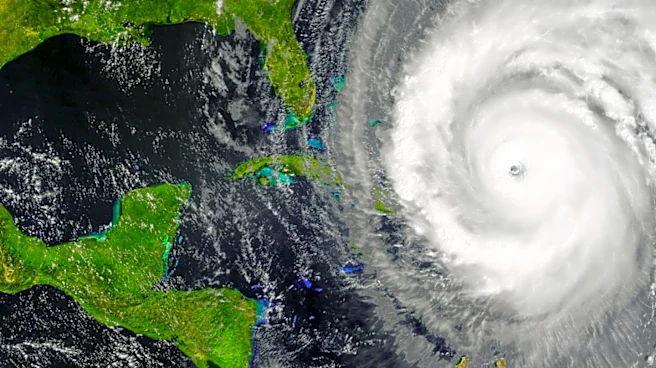
A new report from the Congressional Research Service (CRS) indicates that while tropical cyclone tracking forecasts have steadily improved since the 1960s, hurricane intensity forecasts have not kept pace. This disparity is particularly concerning for storms
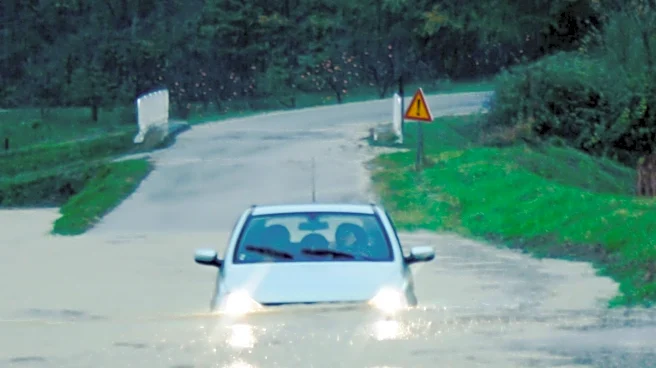
that rapidly intensify near coastal areas, as inadequate warning times can endanger residents. The report outlines the processes involved in tropical cyclone forecasting and identifies key challenges for potential congressional oversight or legislation. These challenges include improving intensity prediction, enhancing rainfall forecasts, and refining how warnings are communicated to the public. The National Hurricane Center and Central Pacific Hurricane Center, part of NOAA's National Weather Service, are responsible for forecasting storms in the Northern Atlantic and Central/Eastern Pacific Oceans. NOAA's Environmental Information Services Working Group (EISWG) made recommendations on intensity prediction in 2020, and NOAA detailed its efforts in 2022. The CRS report also notes NOAA's finding that extreme precipitation flooding accounts for a significant portion of storm fatalities, and research to improve precipitation predictions is ongoing under NOAA's Precipitation Prediction Grand Challenge. In 2022, NOAA cited budget constraints as a factor limiting the implementation of EISWG recommendations, with further recommendations made by the Department of Commerce Office of Inspector General in January 2025, which NOAA concurred with.
Why It's Important?
The lag in hurricane intensity forecasting poses significant risks to U.S. coastal communities and infrastructure. Storms that rapidly intensify close to shore can leave insufficient time for evacuations and preparations, potentially leading to increased fatalities and property damage. This issue underscores the critical need for advanced meteorological capabilities and effective public communication strategies. The CRS report's call for congressional oversight highlights the legislative branch's role in ensuring that federal agencies like NOAA are adequately resourced and held accountable for improving these vital forecasts. Enhanced intensity and rainfall predictions are crucial for emergency management agencies, local governments, and residents to make timely and informed decisions, thereby mitigating the human and economic impact of severe weather events. The budget constraints cited by NOAA suggest that sustained investment in weather research and forecasting infrastructure is essential to protect lives and property along the U.S. coastline.
What's Next?
Congress may initiate oversight activities concerning NOAA's response to the recommendations outlined in the CRS report and its implementation of the Weather Research and Forecasting Innovation Act of 2017. This could involve hearings, budget reviews, and legislative actions aimed at addressing the identified gaps in intensity forecasting, rainfall prediction, and risk communication. NOAA is expected to continue its efforts to improve forecasting models and communication strategies, potentially with increased congressional scrutiny and funding. The Department of Commerce Office of Inspector General's recommendations from January 2025 will likely guide some of NOAA's future actions. Additionally, NOAA has announced that the forecast-cone graphic for the current hurricane season will include inland tropical storm and hurricane watches and warnings, indicating ongoing efforts to enhance public communication. The Federal Emergency Management Agency's Hurricane Liaison Team remains activated for the duration of hurricane season, coordinating responses to potential storm impacts.
Beyond the Headlines
The persistent challenge in accurately forecasting hurricane intensity, despite advancements in tracking, points to the complex interplay of atmospheric and oceanic dynamics that drive these powerful storms. This scientific hurdle has broader implications for climate change adaptation, as more intense and rapidly developing storms could become more frequent. The report implicitly raises questions about the balance between scientific research, technological investment, and public policy in disaster preparedness. The effectiveness of early warning systems is not solely dependent on scientific accuracy but also on the ability to convey complex meteorological information clearly and persuasively to the public, especially when dealing with diverse populations and varying levels of risk perception. Furthermore, the budgetary constraints mentioned by NOAA highlight the ongoing tension between national security priorities, economic pressures, and the funding required for critical scientific agencies responsible for public safety.