




What's Happening?
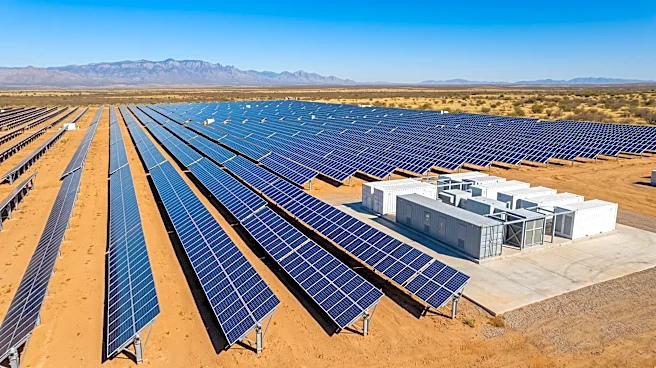
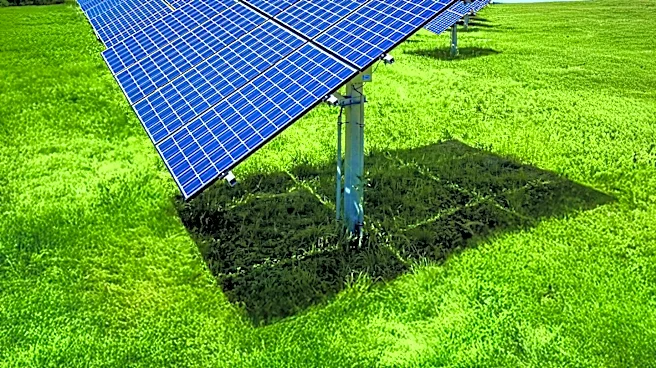
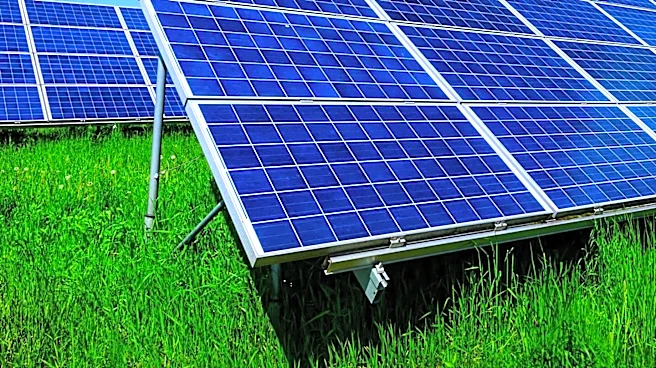
Walla Walla Public Schools (WWPS) has completed the installation of a new solar array designed to power its electric bus fleet. The solar installation, located at the Southeast Washington Transportation Cooperative, was funded by a $601,756 grant from
the Washington State Department of Commerce Clean Energy Grant program, which received partial support from Washington’s Climate Commitment Act. This new infrastructure directly connects to the district's bus charging stations. WWPS Director of Fiscal Services Janette Jeffris stated that the district anticipates an 84% reduction in electricity usage for transportation due to these new solar panels, leading to significant operational cost savings. The initiative aims to enhance the sustainability of student transportation within the district.
Why It's Important?
This development is important as it showcases a practical application of renewable energy in public sector operations, specifically in school transportation. By transitioning to solar-powered electric buses, Walla Walla Public Schools is not only reducing its carbon footprint but also setting a precedent for other school districts across the U.S. to adopt similar sustainable practices. The anticipated 84% reduction in electricity usage highlights the substantial financial benefits that can be achieved through such investments, freeing up funds that can be reallocated to other educational priorities. Furthermore, the project demonstrates the effectiveness of state-level clean energy grants and climate commitment acts in fostering local sustainability initiatives, contributing to broader environmental goals and energy independence.
What's Next?
Following the successful implementation of this solar array, Walla Walla Public Schools will likely monitor the actual cost savings and operational efficiencies achieved. This data could serve as a case study for other school districts in Washington and across the nation considering similar transitions to electric, solar-powered bus fleets. The success of this project may also encourage further investment in renewable energy infrastructure within the district and potentially lead to expansions of their electric vehicle fleet. State agencies, such as the Washington State Department of Commerce, may use the outcomes of this project to refine future grant programs and promote wider adoption of clean energy solutions in public services.
Beyond the Headlines
Beyond the immediate financial and environmental benefits, this initiative by Walla Walla Public Schools represents a broader shift towards sustainable infrastructure in public services. It underscores the growing recognition that environmental responsibility can align with economic prudence. The project also serves as an educational model, demonstrating to students and the community the tangible benefits of renewable energy and sustainable practices. This can foster greater environmental awareness and encourage future generations to pursue careers and innovations in clean energy. The integration of such technologies into daily public operations also contributes to building a more resilient and energy-independent local community, reducing reliance on fluctuating fossil fuel markets.