



What's Happening?
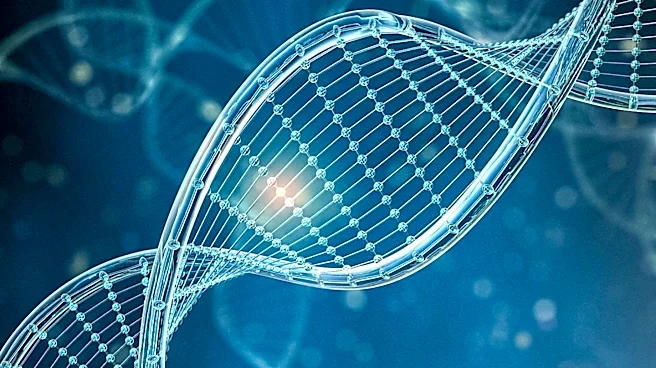
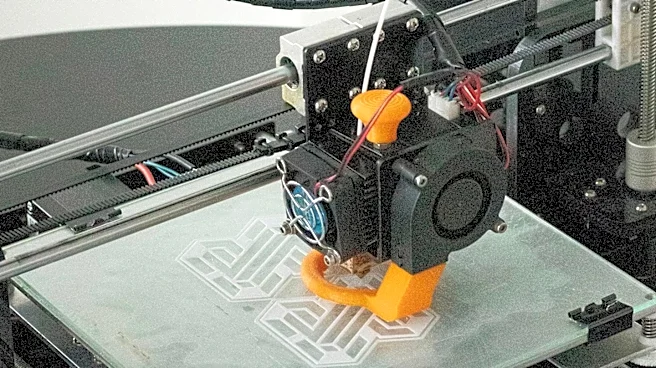
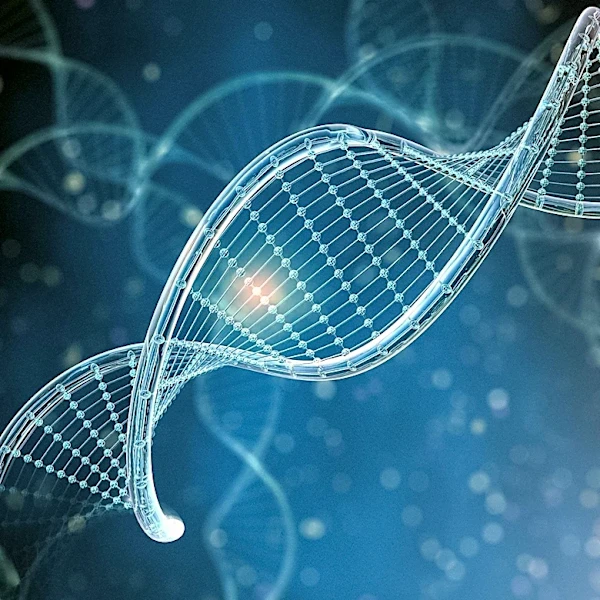
The Defense Advanced Research Projects Agency (DARPA) has awarded $1.7 million to a team led by Max Wilson of UC Santa Barbara to develop a wireless yeast DNA printer. This initiative, named LUXCODE, aims to create a nucleic acid compiler (NAC) within
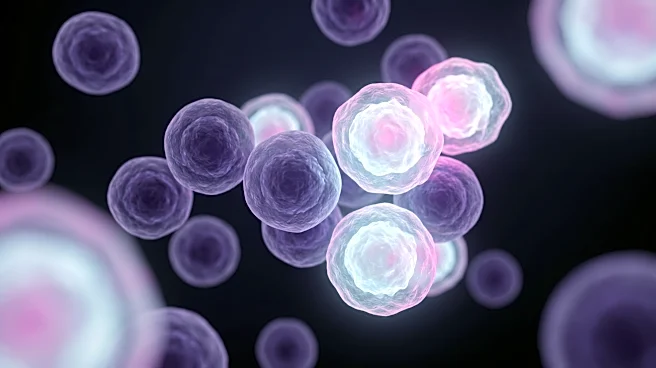
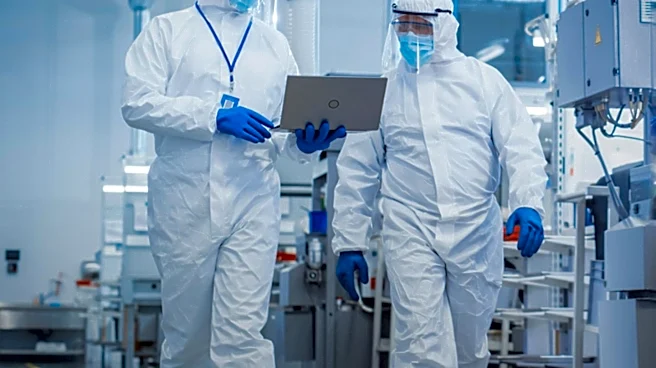
a living cell, specifically yeast. The goal is to enable the remote synthesis of DNA or RNA sequences without the need for chemical inputs, effectively allowing instructions to be emailed to a remote location for on-site protein production. The project involves researchers from four universities and is initially funded for nine months, with potential for tens of millions more based on progress. This technology seeks to overcome current bottlenecks in bioengineering, such as the time-consuming process of ordering and receiving DNA sequences from specialized companies. By leveraging the error-detection and DNA-repair processes inherent in living organisms, the project aims to synthesize DNA in days rather than months, significantly accelerating therapeutic investigations, antibody testing, and enzyme design for environmental cleanups.
Why It's Important?
This DARPA-funded project holds significant implications for U.S. national security and scientific research. The ability to wirelessly print DNA and produce proteins on-site at remote locations, such as military bases or space stations, would revolutionize logistical capabilities for medical and biological needs. It would eliminate the reliance on traditional supply chains for critical biological components, enhancing self-sufficiency and rapid response in diverse environments. For the U.S. bioengineering industry, this technology could drastically reduce research and development timelines, making the design and testing of new proteins and therapeutics much faster and more efficient. This acceleration could lead to quicker development of new drugs, vaccines, and biotechnological solutions, strengthening the nation's biodefense and public health infrastructure. Furthermore, the project's focus on yeast, a well-understood organism, suggests a scalable and potentially cost-effective approach to advanced biomanufacturing.
What's Next?
The LUXCODE team's immediate next step is to acquire an extensive library of photo-switchable proteins and their corresponding genes. This library will be used to train a neural network to integrate these proteins as remote controls for polymerase enzymes, transforming the current manual process into an industrial assembly line for biological components. If successful, this initial phase could lead to substantial additional funding from DARPA. The team is also actively considering the biosecurity implications of this powerful technology, planning to incorporate failsafes to prevent misuse, such as engineering the yeast strain to grow slowly or self-destruct if it synthesizes toxic or infectious substances. Future research will explore the broader applications of this universal tool for photo-switchable proteins, potentially enabling the creation of complex 'if-then' logic proteins and further advancing synthetic biology.
Beyond the Headlines
The development of a wireless DNA printer raises profound ethical and societal questions regarding access, control, and potential misuse of advanced biotechnologies. While the project includes biosecurity experts to address these concerns, the ability to synthesize any protein with simple instructions and basic equipment could lower the barrier for both beneficial and harmful applications. This technology could democratize access to advanced biological manufacturing, empowering researchers globally but also posing risks if it falls into the wrong hands. The concept of 'emailing instructions' for biological creation blurs the lines between digital information and physical matter, potentially leading to new paradigms in intellectual property, biological warfare, and global governance of biotechnology. The project also highlights the increasing convergence of artificial intelligence, synthetic biology, and remote manufacturing, signaling a future where biological systems are as programmable and deployable as software.