





What's Happening?
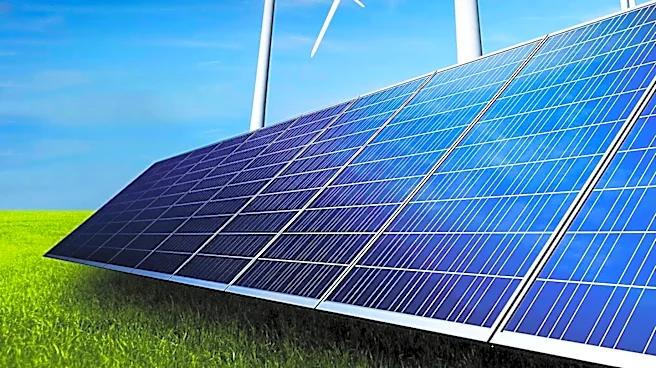
Geopolitical tensions in the Middle East, particularly those affecting the Strait of Hormuz, are significantly disrupting the supply of components for Colombia's photovoltaic industry. Alfonso Queipo, CEO of PV Hardware USA, reported at the Future Energy
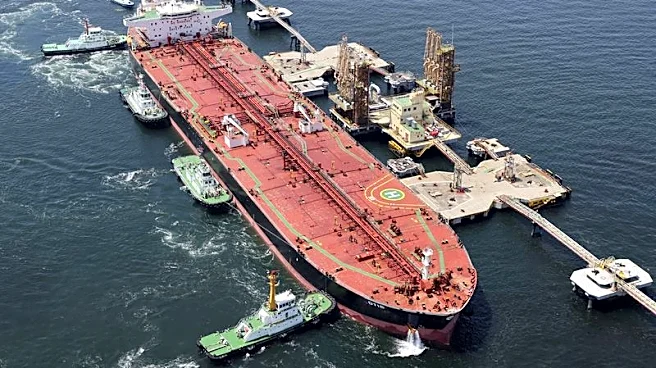
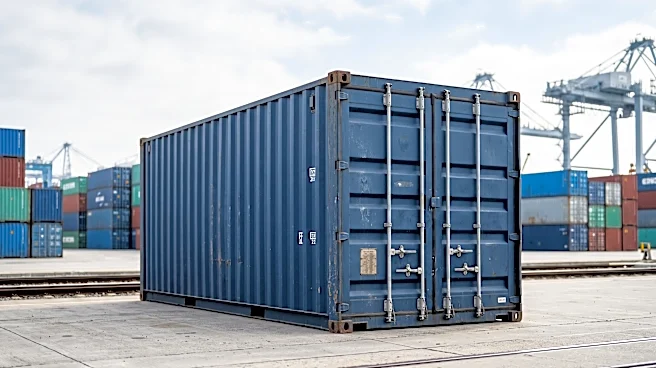
Summit (FES) Colombia that maritime transport capacity has reached 98% saturation, leading to extremely high changes in logistics prices. This situation is exacerbated by rising international freight costs and restrictions on trade routes. The International Energy Agency (IEA) has warned that these trade disruptions are altering risk perceptions and investment priorities globally, comparing the current energy security crisis to the oil crises of the 1970s. The cost increases include additional war risk insurance premiums and surcharges of $3,000 to $4,000 per container, potentially raising solar panel import costs by 22% to 27% in 2026. Colombia's solar market is particularly vulnerable due to the high geographical concentration of renewable technology manufacturing, with China accounting for approximately 85% of the photovoltaic solar chain's production capacity.
Why It's Important?
This disruption poses a significant challenge to Colombia's energy transition goals and its efforts to expand solar capacity. Increased costs and supply chain bottlenecks can delay projects, raise the overall price of renewable energy, and potentially slow down the country's move away from fossil fuels. For the U.S., this situation highlights the global interconnectedness of energy markets and supply chains, as disruptions in one region can have ripple effects worldwide. U.S. companies involved in renewable energy development or component manufacturing may face similar challenges in sourcing materials or experience increased competition for available supplies. The situation also underscores the strategic importance of diversifying supply chains and reducing reliance on single manufacturing hubs, a lesson that could influence U.S. industrial policy and investment in domestic renewable energy production.
What's Next?
Companies like PV Hardware are responding by emphasizing industrial flexibility and diversifying supply centers, with factories in locations such as Houston, Spain, and Saudi Arabia, in addition to other manufacturing partners. This strategy aims to mitigate the impact of logistical restrictions and ensure component availability. Colombia will need to continue developing its electrical infrastructure and regulatory conditions to support investments in solar energy, even amidst these international challenges. The long-term implications may include a global push for more localized manufacturing of renewable energy components to enhance supply chain resilience and reduce vulnerability to geopolitical events. Governments and industry stakeholders will likely explore strategies to de-risk supply chains and foster greater regional self-sufficiency in renewable energy technology.
Beyond the Headlines
The 'Hormuz effect' on Colombia's solar supply chain reveals a deeper vulnerability in the global energy transition: the reliance on complex, often geographically concentrated, international supply chains. While renewable energy aims to enhance energy independence from fossil fuels, it introduces new dependencies on critical minerals, manufacturing hubs, and shipping routes. This situation could trigger a re-evaluation of national security in the context of energy, extending beyond traditional fossil fuel concerns to include the security of renewable energy supply chains. It also highlights the ethical and geopolitical dimensions of global manufacturing, prompting questions about fair labor practices, environmental standards, and geopolitical stability in key production regions. The long-term shift could see increased investment in advanced manufacturing technologies and reshoring initiatives in Western countries, aiming to build more resilient and secure domestic renewable energy industries.