



What's Happening?
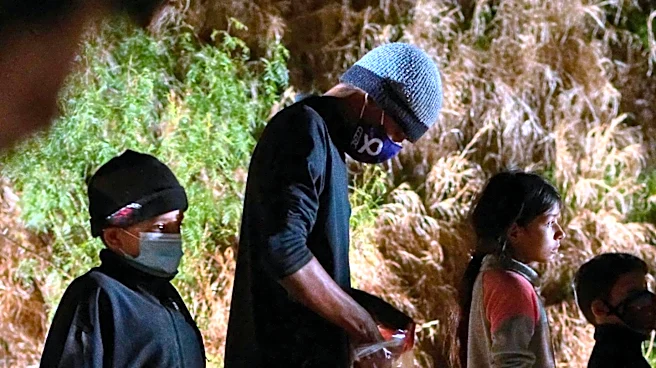
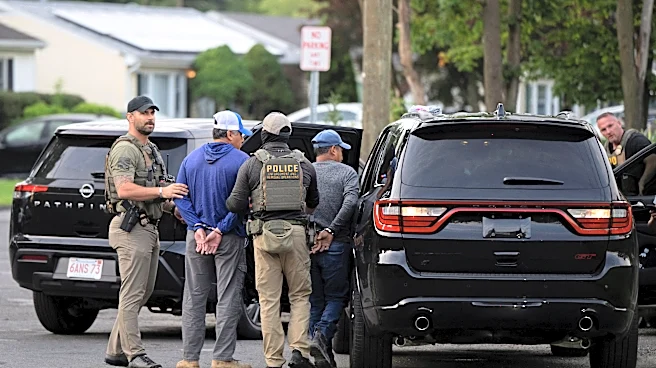
The Worcester City Council is set to reconsider a proposal that would restrict city properties from being used for civil immigration enforcement. This initiative, led by Council Vice Chairman Khrystian King, involves placing signs on appropriate city properties to indicate
they cannot be used for such enforcement. A companion measure also calls for any required signage to be provided in all relevant languages. The original proposal failed on an August 18 vote, with a 5-5 tie due to Councilor Tony Economou's absence. The upcoming council meeting will also address a range of quality-of-life issues, including violent incidents in the downtown area, homelessness, deteriorating street conditions, and the city's increasingly expensive housing market. Councilor Economou has requested an immediate action plan from City Manager Eric Batista regarding downtown violence, while Councilor Kathleen Toomey seeks a discussion with social service agencies about their role in addressing public safety issues related to homelessness and addiction. Councilor Gary Rosen is proposing a broader policy approach to homelessness, suggesting an examination of response plans from other U.S. cities like Seattle and Portland to develop a more formal, regional strategy for Worcester.
Why It's Important?
The reconsideration of immigration enforcement signage in Worcester highlights an ongoing national debate about the role of local governments in federal immigration matters. Such policies can significantly impact immigrant communities by potentially creating 'sanctuary city' environments, which aim to foster trust between immigrants and local authorities, encouraging reporting of crimes without fear of deportation. This could lead to improved public safety for all residents. Conversely, opponents argue that such measures may hinder federal immigration enforcement efforts. The broader agenda, addressing public safety, homelessness, and housing affordability, reflects critical urban challenges faced by many U.S. cities. Effective strategies in these areas can improve the quality of life for residents, support economic stability, and ensure equitable access to essential services. The discussion on homelessness, in particular, underscores the need for coordinated regional responses, as individual cities often struggle to manage these complex issues in isolation. The outcomes of these discussions in Worcester could serve as a model or cautionary tale for other municipalities grappling with similar concerns.
What's Next?
The Worcester City Council will convene to vote on the reconsideration of the immigration enforcement signage proposal. If the motion to reconsider passes, the original proposal will be brought back for a new vote, potentially with Councilor Economou present, which could alter the outcome. Concurrently, City Manager Eric Batista is expected to develop an immediate action plan to address downtown violence, as requested by Councilor Economou. The Public Safety Committee will likely schedule discussions with social service agencies to explore their involvement in tackling public safety issues linked to homelessness and addiction. Councilor Rosen's proposal for a formal, regional homelessness strategy will prompt the administration to research and potentially adapt models from other U.S. cities. Additionally, the council will review reports on housing unit construction, state zoning changes impacting development, and the financial health of the special tax district supporting the DCU Center. Further zoning amendments are anticipated before the end of the year to align with new state regulations. The Department of Public Works will also report on preparations for the upcoming snow and ice season, and the Public Health and Human Services Committee will seek an accounting of tobacco-related revenues and their allocation to cessation and prevention programs.
Beyond the Headlines
The Worcester City Council's deliberations extend beyond immediate policy decisions, touching upon fundamental questions of local governance, community identity, and social responsibility. The debate over immigration enforcement signage reflects a deeper tension between local autonomy and federal authority, and how cities choose to define their relationship with diverse populations. A decision to limit local cooperation with federal immigration enforcement could signal a commitment to inclusivity and human rights, potentially fostering a more welcoming environment for immigrants, but it could also spark controversy and legal challenges. The comprehensive focus on public safety, homelessness, and housing affordability highlights the interconnectedness of urban issues. Addressing these challenges effectively requires not just policy changes but also a shift in community attitudes and a willingness to invest in long-term, systemic solutions. The exploration of regional responses to homelessness, for instance, acknowledges that social problems often transcend municipal boundaries and necessitate collaborative efforts. Furthermore, the council's attention to issues like street maintenance, invasive species, and tobacco regulation demonstrates the multifaceted nature of local governance, where seemingly minor concerns contribute to the overall well-being and livability of a city. These discussions collectively shape Worcester's future, influencing its social fabric, economic vitality, and reputation as a place to live and work.