







What's Happening?
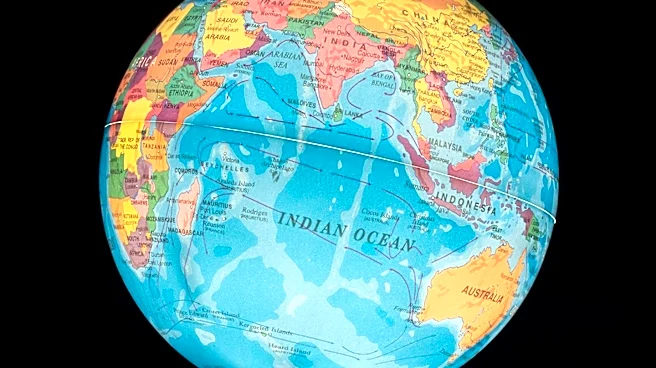
Bali is a prominent island province within Indonesia, an archipelago consisting of 18,000 islands located in Southeast Asia. It is recognized for its rich cultural heritage, including a blend of Hindu and Buddhist influences, and its ancient kingdom's
policies, which are still evident today. An example of this is the 20-century-old Subak irrigation system, which shapes Bali's terraced rice fields and symbolizes the balance between people, nature, and God. The island is also famous for its natural beauty, featuring lush greenery, exotic lakes, waterfalls, and stunning beaches. Bali experiences two main seasons: dry and rainy, with the dry season (April to October) being particularly popular for outdoor activities and water sports like surfing, snorkeling, and diving. The island's cultural charm is further highlighted by traditions such as the Ogoh-Ogoh parade, where demon-like statues representing negative human traits are burned as a purification ritual on the eve of Nyepi.
Why It's Important?
Bali's significance extends beyond its geographical location, as it serves as a major global tourist destination, attracting visitors with its unique blend of natural beauty and cultural depth. Its popularity contributes significantly to Indonesia's tourism industry, providing economic benefits through various sectors such as hospitality, local crafts, and culinary experiences. The preservation of ancient systems like Subak not only showcases historical ingenuity but also offers sustainable agricultural practices that maintain ecological balance. The island's appeal to a diverse range of travelers, from those seeking relaxation on beaches to adventurers exploring volcanic mountains and cultural enthusiasts visiting temples, underscores its multifaceted importance. Furthermore, Bali's growing reputation as a hub for digital nomads highlights its evolving role in the global remote work landscape, offering a unique lifestyle that combines work with leisure in a culturally rich environment.
What's Next?
Given its established reputation, Bali is expected to continue attracting a high volume of international and domestic tourists. Efforts will likely focus on sustainable tourism practices to preserve its natural environment and cultural heritage, especially as the island balances its popularity with ecological concerns. The ongoing development of infrastructure and services, such as beach clubs and wellness retreats, suggests a continued expansion of its tourism offerings. For digital nomads, Bali will likely remain a desirable location, potentially leading to further growth in co-working spaces and community-building initiatives. The island's cultural events, like the Ogoh-Ogoh parade, will continue to be significant attractions, drawing visitors interested in authentic Balinese traditions. Additionally, the focus on diverse activities, from gastronomic tours to spiritual retreats, indicates a sustained effort to cater to a broad spectrum of visitor preferences.
Beyond the Headlines
Beyond its immediate economic and tourism impacts, Bali embodies a profound cultural and spiritual significance, often referred to as 'The Island of the Gods' or 'The Island of Thousand Temples.' This deep-rooted spiritual identity, shaped by Hindu and Buddhist traditions, influences daily life, art, and social structures, offering visitors a unique insight into a living cultural heritage. The emphasis on balance, as seen in the Subak system, reflects a broader philosophical approach to life that integrates human activity with nature and spirituality. This cultural richness provides a counter-narrative to purely commercial tourism, fostering a deeper appreciation for indigenous practices and beliefs. The island's ability to maintain its cultural integrity amidst global tourism trends presents a model for other destinations grappling with similar challenges, highlighting the importance of preserving local identity while embracing international engagement.