



What's Happening?
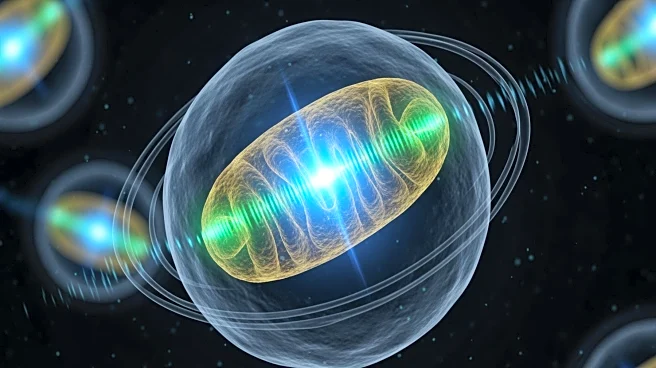
A recent study conducted by the Centro Nacional de Investigaciones Cardiovasculares Carlos III (CNIC) has revealed how type I interferon (IFN-I) signaling influences macrophage mitochondria to aid in resolving inflammation. Macrophages, essential immune
cells, play a critical role in maintaining homeostasis and clearing pathogens. The study, published in Immunity, highlights that IFN-I, a cytokine involved in antiviral and inflammatory responses, modulates macrophage metabolism to enhance tissue damage clearance and prevent excessive inflammation. The research demonstrated that upon detecting viral infections, macrophages alter their mitochondrial function, leading to increased ATP production and reduced mitochondrial membrane potential. This metabolic shift, facilitated by the protein ISG15, improves macrophages' ability to remove dead cells, aiding in inflammation resolution. The findings suggest that understanding this mechanism could enhance the efficacy of IFN-I in clinical settings, such as cancer treatment.
Why It's Important?
The study's findings have significant implications for medical research and treatment strategies. By elucidating the role of IFN-I in macrophage metabolism, the research provides insights into how inflammation can be effectively resolved, which is crucial for treating various diseases. The ability to modulate macrophage function could lead to improved therapies for conditions characterized by chronic inflammation or inadequate immune responses. Additionally, the study suggests potential enhancements in IFN-I-based treatments, which could maximize therapeutic benefits while minimizing side effects. This research could pave the way for new approaches in managing inflammatory diseases and optimizing immune therapies, benefiting patients with conditions like cancer, autoimmune disorders, and chronic infections.
What's Next?
Future research may focus on further exploring the metabolic pathways influenced by IFN-I and their implications for immune regulation. Clinical trials could be designed to test the efficacy of modulating IFN-I signaling in various disease contexts, potentially leading to new therapeutic protocols. Additionally, collaborations with other research institutions could expand the understanding of how IFN-I interacts with other immune pathways, offering broader applications in immunotherapy. The study's findings may also inspire the development of drugs targeting specific components of the IFN-I signaling pathway, providing more precise treatment options for inflammatory and autoimmune diseases.