






What's Happening?
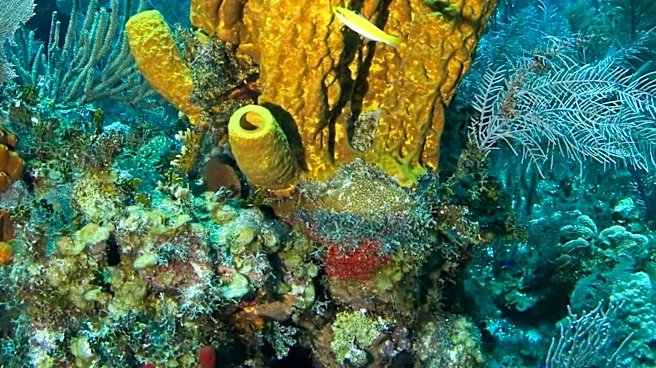
Scientists have successfully transplanted 42 sea sponges into a polluted marina in Spain, with 91.7% of the chicken kidney sponge species surviving for 455 days and creating mobile clones. The study, published in Frontiers in Marine Science, demonstrates
the potential of these sponges to thrive in harsh harbor conditions and contribute to environmental restoration. The sponges act as natural water filters, removing pollutants and creating habitats for marine life. The research team, led by Dr. Manuel Maldonado, aims to explore the role of symbiotic microbes in helping sponges tolerate pollutants.
Why It's Important?
This study highlights the potential of using natural organisms like sea sponges for environmental remediation in polluted marine areas. The ability of sponges to filter water and remove contaminants could provide a sustainable solution for cleaning up harbors and improving marine ecosystems. The findings could influence environmental policies and encourage the adoption of biological restoration methods in other polluted areas. The research also underscores the importance of understanding the symbiotic relationships between sponges and microbes, which could lead to further innovations in pollution management.
What's Next?
The research team plans to monitor the transplanted sponges over several years to assess their long-term viability and the role of symbiotic microbes in pollutant tolerance. They also intend to test additional sponge species to identify other candidates for environmental restoration. The study's findings could pave the way for broader applications of biological restoration techniques in marine conservation efforts. Continued research and collaboration with environmental agencies will be essential to implement these solutions on a larger scale.