



What's Happening?
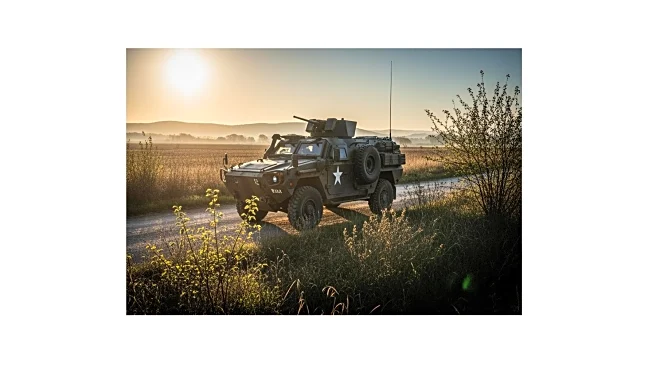
Pakistan's military has concluded a weeklong security operation in Balochistan, claiming the deaths of 216 fighters. The operation, which began on January 29, targeted the Balochistan Liberation Army (BLA) following a series of coordinated attacks. The military stated
that the operation significantly degraded the leadership and operational capabilities of the terrorist networks. During the operation, 36 civilians and 22 security personnel were also killed. The military recovered a substantial cache of foreign-origin weapons and claimed that the fighters received external support. Balochistan has been a hotspot for separatist movements, with armed groups resisting what they perceive as exploitation of the resource-rich province.
Why It's Important?
The operation in Balochistan highlights the ongoing conflict in a region rich in natural resources like coal, gold, copper, and gas. The military's actions aim to stabilize the area, which is crucial for Pakistan's economic interests. However, the loss of civilian lives raises concerns about human rights and the potential for further unrest. The operation's success in degrading terrorist networks could lead to a temporary reduction in violence, but the underlying issues of separatism and resource exploitation remain unresolved. The international community may scrutinize Pakistan's military tactics, especially regarding civilian casualties.
What's Next?
The military's claim of external support for the fighters could strain Pakistan's relations with neighboring countries, particularly if accusations against India and Afghanistan persist. The government may face pressure to address the root causes of the separatist movement, including economic disparities and political representation. Further military operations could be planned to maintain control, but diplomatic efforts might be necessary to achieve long-term peace. The international community may call for investigations into civilian casualties and urge Pakistan to engage in dialogue with separatist groups.