







What's Happening?
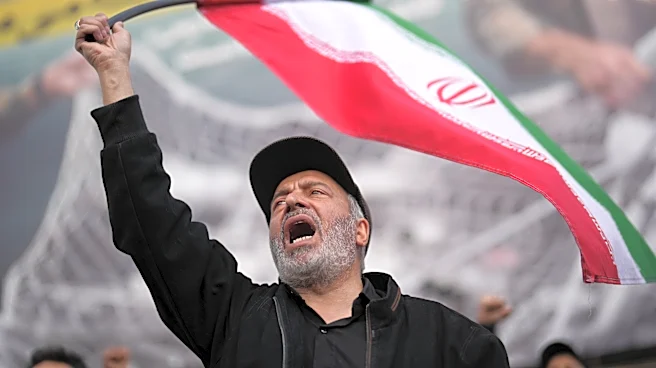
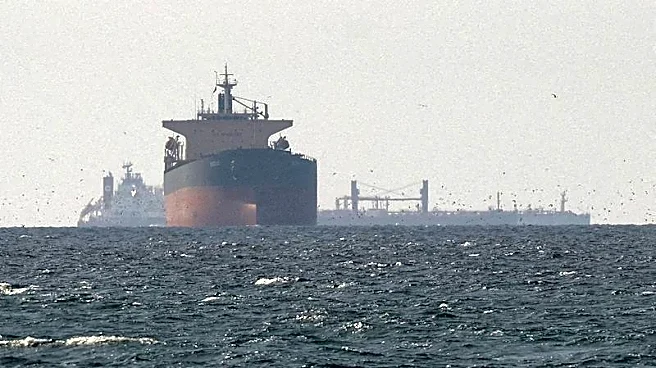
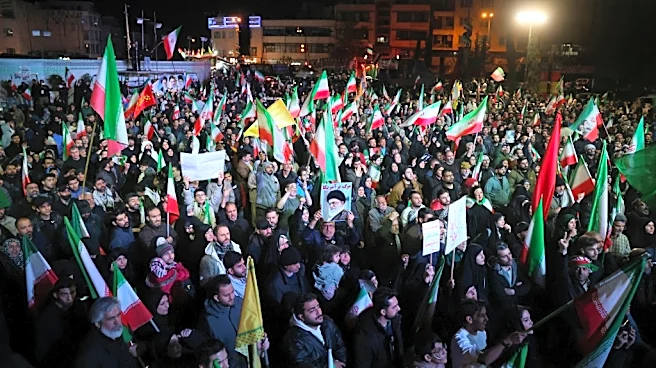
Iran is declaring a strategic victory following the U.S. agreement to a two-week ceasefire based on Iran's 10-point plan. This plan, which replaces the previous American 15-point proposal, is seen as a major win for Iran, allowing it to maintain control
over the Strait of Hormuz and continue its uranium enrichment program. Experts view this as a significant defeat for the U.S., with Iran reinforcing its narrative and positioning. President Trump had threatened severe actions against Iran but opted for a ceasefire, acknowledging the challenges faced in the conflict. The ceasefire framework is perceived as a loss for Trump and his allies, with Iran gaining leverage in negotiations.
Why It's Important?
The ceasefire agreement marks a pivotal moment in U.S.-Iran relations, with Iran gaining strategic advantages. Control over the Strait of Hormuz allows Iran to influence global oil markets, potentially leading to increased oil prices. The ability to continue uranium enrichment challenges U.S. efforts to curb Iran's nuclear ambitions. This development could shift power dynamics in the Middle East, affecting U.S. foreign policy and its alliances. The perceived victory for Iran may embolden its leadership and impact future negotiations, with implications for regional stability and international security.
What's Next?
The ceasefire is temporary, and the situation remains volatile. Negotiations will continue, with Iran likely to push for further concessions. The U.S. may face pressure to reassess its strategy and diplomatic approach. The international community will be watching closely, as the outcome of these talks could influence global security and economic conditions. Stakeholders, including political leaders and businesses, may need to adapt to changing dynamics in the region. The potential for renewed conflict remains, with both sides needing to navigate complex diplomatic challenges.