



What's Happening?
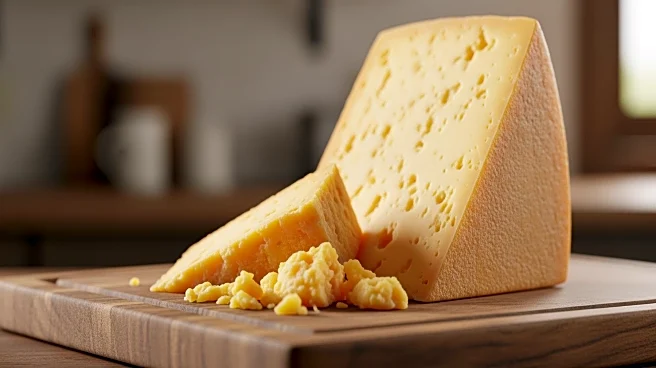
The U.S. Food and Drug Administration (FDA) is investigating a multistate outbreak of E. coli O157:H7 infections linked to raw cheddar cheese produced by Raw Farm, a California-based company. The outbreak has affected seven individuals, including four
children under the age of three, with two hospitalizations reported. The cases span from September 2025 to February 2026 and have been detected in California, Florida, and Texas. Despite the FDA's findings, Raw Farm has declined to issue a recall of its products, which include all sizes of the original block and shredded 'Raw Cheddar'. The FDA is collaborating with state agencies to test these products for E. coli contamination.
Why It's Important?
This investigation highlights the ongoing public health risks associated with consuming raw milk products, which are not pasteurized to eliminate harmful bacteria. The outbreak underscores the vulnerability of young children and individuals with weakened immune systems to serious illnesses from such products. The FDA's involvement is crucial in preventing further cases and ensuring consumer safety. The reluctance of Raw Farm to voluntarily recall its products raises concerns about corporate responsibility and the effectiveness of regulatory oversight in the food industry. The situation may prompt discussions on stricter regulations for raw milk products to protect public health.
What's Next?
The FDA and state agencies will continue testing Raw Farm's raw cheddar products for E. coli. The Centers for Disease Control and Prevention (CDC) advises consumers to avoid the affected products and to thoroughly clean surfaces that have come into contact with them. The investigation may lead to increased scrutiny of raw milk products and potential regulatory changes. Public health officials may also intensify educational campaigns about the risks of consuming raw dairy products, particularly targeting vulnerable populations such as children, the elderly, and pregnant women.
Beyond the Headlines
The outbreak raises ethical questions about the balance between consumer choice and public health safety. Raw milk advocates argue for the benefits of unpasteurized products, but the risks of bacterial infections cannot be ignored. This situation may influence cultural perceptions of raw dairy consumption and lead to a reevaluation of its place in the market. Long-term, the incident could drive innovation in safer production methods for raw dairy products, potentially altering industry standards.