







What's Happening?
Kentucky voters will decide in November whether to amend the state constitution to temporarily restrict the governor's power to issue pardons and commute sentences around gubernatorial elections. The proposed amendment, stemming from Senate Bill 10 sponsored
by Sen. Chris McDaniel, R-Ryland Heights, would prevent a governor from granting pardons or commutations starting 60 days before a gubernatorial election and continuing until the new term's inauguration. This initiative gained momentum following former Republican Gov. Matt Bevin's actions in 2019, where he issued over 400 pardons and commutations, some for serious crimes, in the final weeks of his administration after losing his re-election bid. The amendment aims to enhance accountability and transparency in the use of the pardon power.
Why It's Important?
This ballot measure is significant for Kentucky's governance and the integrity of its justice system. If approved, it would introduce a critical check on executive power, preventing potential abuses of the pardon system during sensitive political transition periods. The previous actions of Governor Bevin, which included pardons for individuals convicted of murder, rape, and child abuse, sparked widespread controversy and raised concerns about the motivations behind such clemency decisions. Limiting this power around elections could prevent governors from making politically motivated pardons or commutations that might undermine public trust or circumvent justice. It reflects a broader effort to ensure that executive clemency is exercised judiciously and not as a tool for political maneuvering or personal favors.
What's Next?
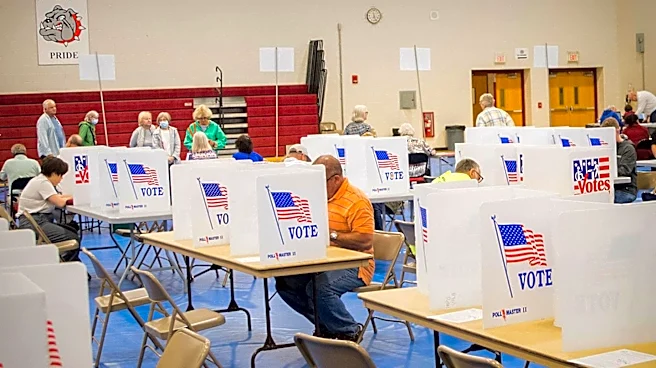
Kentucky voters will cast their ballots on this constitutional amendment in the upcoming November general election. A 'yes' vote will approve the change, implementing the 60-day restriction for future gubernatorial elections. A 'no' vote will leave the current constitutional language regarding the governor's pardon powers unchanged. While Kentucky is not electing a governor in 2026, the outcome of this vote will establish a precedent for future gubernatorial transitions, with the next election scheduled for 2027. The debate leading up to the vote will likely focus on the balance between executive authority and public accountability, with proponents emphasizing transparency and opponents potentially arguing against limiting gubernatorial discretion.
Beyond the Headlines
The Kentucky initiative reflects a national conversation about the scope and potential misuse of executive pardon power. While presidential pardons are often discussed at the federal level, this state-level effort highlights how similar concerns about accountability and transparency can manifest in state governance. The amendment could serve as a model for other states considering similar reforms, particularly those that have experienced controversial pardon decisions by outgoing governors. It underscores the ongoing tension between the broad discretionary powers granted to executives and the public's demand for ethical governance and a fair justice system. The outcome in Kentucky could influence future legislative efforts to refine the parameters of executive clemency across the U.S.