







What's Happening?
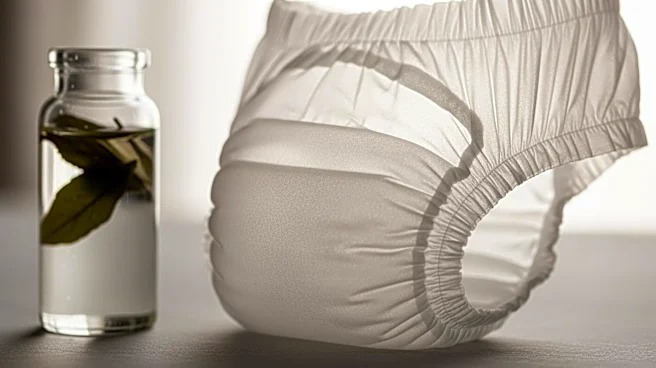
A new bill introduced in California aims to require diaper manufacturers to disclose all ingredients used in their products. The legislation, proposed by Assemblymember Marc Berman, seeks to enhance transparency for parents concerned about the chemicals
and materials in disposable diapers. The bill mandates that companies list ingredients on packaging and online, with the law potentially taking effect in January 2028. This move follows similar legislation passed in New York, and it is supported by consumer advocacy groups who argue that transparency will allow parents to make informed decisions and encourage manufacturers to avoid harmful ingredients. The bill faces opposition from the Center for Baby and Adult Hygiene Products, which argues that diapers are already designed to meet strict safety standards.
Why It's Important?
The proposed legislation is significant as it addresses growing concerns about the safety and environmental impact of disposable diapers. By requiring ingredient disclosure, the bill aims to protect infants' sensitive skin from potential chemical exposure, which can lead to health issues such as rashes and asthma. The transparency could also pressure manufacturers to improve product safety and reduce the use of harmful chemicals. This initiative reflects a broader trend towards consumer rights and environmental responsibility, potentially influencing similar policies in other states. The bill's passage could lead to increased scrutiny of other baby products, promoting safer standards across the industry.
What's Next?
If the bill is enacted, manufacturers will have until January 2028 to comply with the new requirements. The legislation could face challenges from industry stakeholders concerned about revealing trade secrets. However, advocacy groups are likely to continue pushing for transparency, potentially leading to further legislative efforts in other states. The bill's progress will be closely watched by consumer rights organizations and environmental groups, who may use its success as a model for similar initiatives. The outcome could also influence public perception and demand for safer baby products, driving market changes.