





What's Happening?
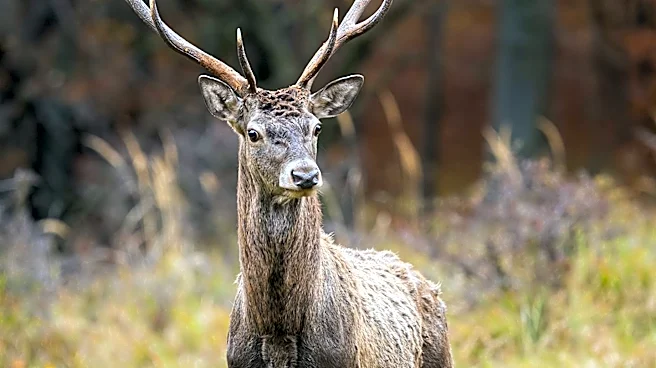
A recent study published in the Journal of Animal Ecology, detailed by Kristy Ferraro, highlights the critical role of migratory red deer in transporting nitrogen across the Central-Eastern Italian Alps. The research, conducted between 2021 and 2024,
utilized GPS data from collared red deer and high-resolution satellite imagery to map their movements and the associated nitrogen distribution. The study found that both resident and migratory deer move nitrogen from nutrient-rich foraging areas to nutrient-poorer forests and from flatter to steeper terrain. However, migratory deer significantly amplify this process, exporting 33.7% more nitrogen towards steep slopes and a remarkable 278.4% more nitrogen to habitats above 1,200 meters compared to resident-only populations. This 'nutrient escalator' effect, where deer consume nutrients at lower elevations and deposit them at higher ones, is a key finding. The research also modeled the impact of human infrastructure, such as roads, on these movements, demonstrating that such barriers restrict deer movement and significantly reduce nitrogen transport.
Why It's Important?
This study underscores the profound and often overlooked ecological importance of animal migration beyond just the animals themselves. The findings reveal that the movement of red deer is integral to the biogeochemical processes that sustain alpine landscapes, particularly concerning nitrogen distribution. Nitrogen is a fundamental building block for animal bodies and a crucial nutrient for plant growth, meaning its efficient transport across ecosystems directly impacts forest regeneration and overall ecosystem productivity. The research suggests that human development and infrastructure, which increasingly threaten historical migration routes, do not just alter animal behavior but also disrupt these vital nutrient cycles. The loss of migration could lead to a significant reduction in the spatial reach of nutrient transport, impacting the health and resilience of alpine ecosystems. This has broader implications for understanding how human activities in the Anthropocene are altering natural processes and the long-term sustainability of diverse habitats.
What's Next?
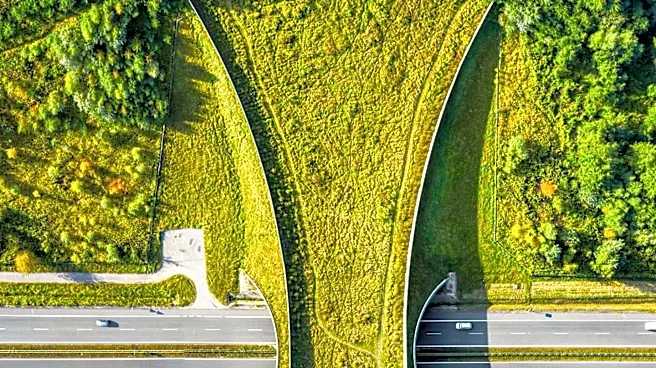
The study's findings suggest an urgent need for conservation strategies that prioritize the protection of animal migration routes. As human activities continue to fragment habitats, understanding the intersection of movement ecology and biogeochemistry becomes increasingly critical. Future actions may involve implementing policies to mitigate the impact of infrastructure development on wildlife corridors, such as designing wildlife crossings or establishing protected areas that encompass migratory pathways. Further research could explore the specific mechanisms by which nitrogen transport influences plant communities and forest regeneration in the Alps, providing more detailed insights into the ecological benefits. Additionally, similar studies in other ecosystems could reveal whether this 'nutrient escalator' effect is a widespread phenomenon, informing global conservation efforts aimed at preserving ecosystem functioning in the face of habitat loss and fragmentation.
Beyond the Headlines
The research delves into the less obvious implications of animal migration, highlighting its role in maintaining the 'invisible flow of elements' that keeps ecosystems functioning. This perspective shifts the focus from merely conserving individual species or natural phenomena to understanding and preserving the complex, interconnected processes that underpin ecological health. The concept of animals acting as 'nutrient escalators' challenges traditional views of nutrient cycling, which often emphasize physical processes like rain and snowmelt. It introduces a biological dimension to nutrient distribution, suggesting that the loss of animal movement could have cascading effects on ecosystem services that are not immediately apparent. This study also raises ethical considerations regarding human responsibility in shaping natural landscapes and the long-term consequences of habitat fragmentation on ecological integrity. It emphasizes that protecting migration routes is not just about animal welfare but about safeguarding the fundamental biogeochemical processes essential for thriving ecosystems.