



What's Happening?
Pennsylvania is undergoing a significant transformation as it repurposes its industrial legacy to become a hub for AI infrastructure and data centers. The state, historically known for its steel production, is now positioning itself as a leader in AI readiness.
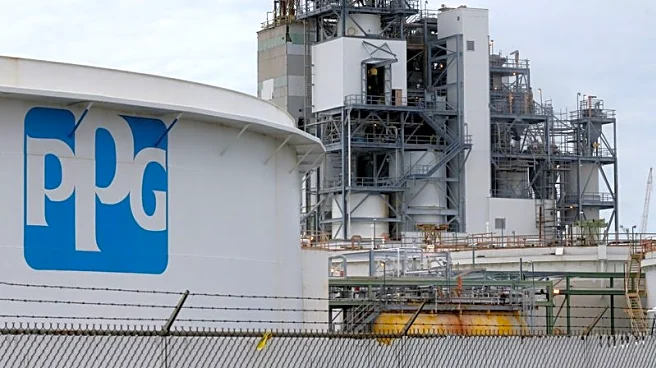
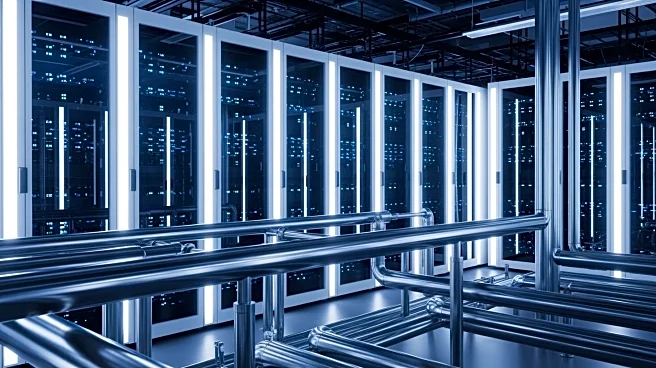
This shift is exemplified by the conversion of the Homer City Generation Station, once the largest coal-fired power plant in the state, into a massive natural gas-powered data center campus. The initiative is part of a broader effort to leverage Pennsylvania's industrial past to attract tech companies and investments, with over $90 billion in private investments announced at the Pennsylvania AI and Energy Summit. The AI Strike Team, a coalition of industry and academic leaders, is actively promoting Pittsburgh as a global leader in artificial intelligence, highlighting the state's potential to solve real-world problems in energy, healthcare, manufacturing, and defense.
Why It's Important?
The transformation of Pennsylvania into an AI and data center hub is significant for several reasons. It represents a shift from traditional industrial activities to high-tech innovation, potentially revitalizing the state's economy and creating new job opportunities. The focus on AI infrastructure aligns with global trends towards digitalization and automation, positioning Pennsylvania as a competitive player in the tech industry. However, this development also raises concerns about environmental impacts, labor exploitation, and community benefits, as the narrative of progress may obscure the realities of resource extraction and economic inequality. The state's ability to balance these challenges while capitalizing on its industrial legacy will be crucial in determining the success of its AI initiatives.
What's Next?
As Pennsylvania continues to develop its AI infrastructure, stakeholders will likely focus on addressing the environmental and social implications of this transformation. Community groups may push for more equitable distribution of benefits and greater transparency in decision-making processes. Additionally, the state will need to ensure that its workforce is equipped with the necessary skills to thrive in an AI-driven economy. The ongoing efforts to position Pittsburgh as a global leader in artificial intelligence will require sustained investment and collaboration between industry, academia, and government. Monitoring the impact of these initiatives on local communities and the environment will be essential in shaping a sustainable and inclusive future for Pennsylvania.
Beyond the Headlines
The narrative of Pennsylvania's transformation into an AI hub highlights broader themes of industrial evolution and technological progress. It reflects the state's resilience and adaptability in the face of economic challenges, as well as the potential for AI to drive innovation and growth. However, it also underscores the need for critical examination of the social and environmental costs associated with such developments. The framing of Pennsylvania as a place where the future once happened and is poised to happen again must include diverse voices and perspectives, particularly those of communities affected by industrialization and modernization. Balancing the promise of AI with the realities of its impact will be key to ensuring a sustainable and equitable future.