



What's Happening?
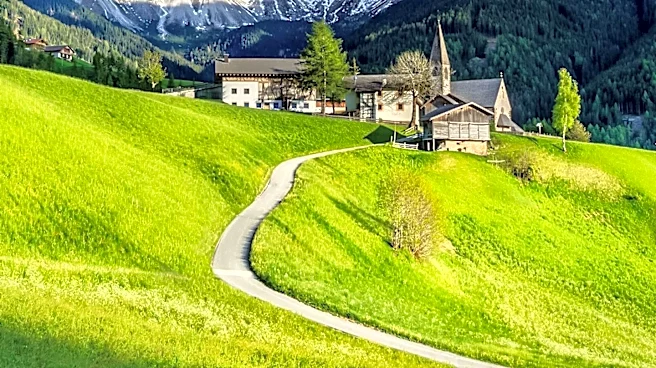
A previously tranquil Alpine refuge, Friedrich August, located high in the Italian Dolomites, has experienced a significant surge in visitors. This influx is not primarily for the scenic views but rather for a specific sweet treat: a $4 krapfen pastry.
The phenomenon began after food bloggers and influencers posted videos on TikTok showcasing themselves eating the pastry against the picturesque mountain backdrop. These videos quickly went viral, leading to long queues of tourists eager to try the pastry. The refuge's managers are now struggling to keep up with production and payment systems, with their internet crashing due to the high volume of tap payments. Traditional hikers, who seek solitude and silence, are annoyed by the crowds, and there are concerns about the safety of inexperienced visitors attempting the trek without proper gear, as highlighted by Francesco Abbruscato, president of the local Alpine Club. This incident is part of a broader trend of social media-driven overtourism in the Dolomites, which has previously seen landowners install turnstiles to manage crowds seeking Instagram-worthy photos.
Why It's Important?
This incident underscores the significant and often unpredictable impact of social media on tourism, transforming niche destinations into mass attractions overnight. For local businesses like the Friedrich August refuge, while the immediate surge in demand might seem beneficial, it creates operational challenges, strains resources, and can fundamentally alter the character of the establishment and its surrounding environment. The shift from a clientele of experienced hikers to casual tourists seeking a viral photo opportunity highlights a broader conflict between sustainable tourism and the instant gratification culture fueled by social media. This trend can lead to environmental degradation, as noted by Abbruscato, and can diminish the authentic experience for those who valued the location for its natural beauty and tranquility. The commercialization of natural spaces for fleeting social media trends poses a long-term threat to their preservation and the quality of visitor experience.
What's Next?
Authorities and local communities in regions like the Dolomites will likely face increasing pressure to develop strategies for managing social media-driven tourism surges. This could involve implementing stricter visitor quotas, enhancing infrastructure to handle larger crowds, or launching campaigns to educate tourists about responsible travel and environmental respect. Businesses in affected areas may need to adapt their operations, potentially by increasing staff, upgrading payment systems, or even diversifying their offerings to cater to a broader range of visitors while trying to maintain their original ethos. The incident also serves as a case study for other popular natural and cultural sites globally, prompting them to proactively consider how to mitigate the potential negative impacts of viral social media content on their destinations. Discussions around the ethics of influencer marketing and its role in promoting sustainable tourism are also likely to intensify.
Beyond the Headlines
The 'pastry problem' in the Dolomites reveals deeper societal shifts related to how people consume experiences and interact with natural environments. The pursuit of 'Instagrammable' moments often prioritizes visual content over genuine engagement with a place, leading to superficial tourism that can harm local cultures and ecosystems. This phenomenon raises questions about authenticity in travel and the commodification of unique local offerings. It also highlights the power of digital platforms to rapidly mobilize large groups of people, sometimes to the detriment of fragile environments or established community norms. The challenge extends beyond managing crowds; it involves fostering a more mindful approach to travel that values conservation, local traditions, and the intrinsic worth of a destination beyond its photogenic qualities. This incident could catalyze broader conversations about the responsibility of social media platforms and influencers in shaping travel behaviors and their potential role in promoting sustainable practices.