





What's Happening?
Only eight out of 160 utility companies operating in fire-prone areas of Texas have complied with a state law requiring them to file wildfire mitigation plans. This revelation came during a House State Affairs committee hearing, where Representative Ken
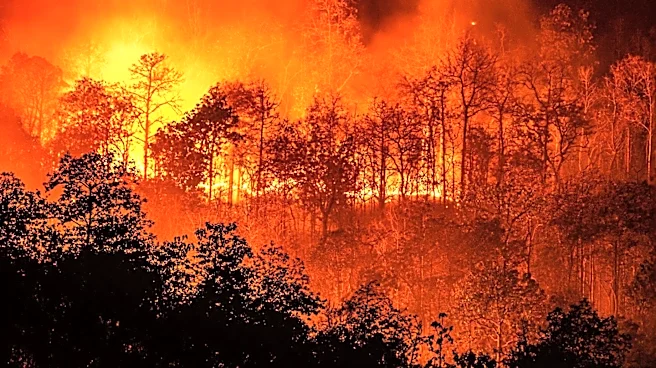
King expressed significant disappointment with the industry's slow progress. The law, House Bill 145, mandates that these plans include emergency protocols, utility operating plans during high-risk weather, vegetation management strategies, inspection of electrical equipment, and identification of wildfire risk areas within their service territories. The lack of compliance follows a chaotic wildfire season, including the devastating Smokehouse Creek wildfires in 2024, which were linked to a decayed power pole owned by Xcel Energy. While some progress has been noted, with six fires linked to electrical issues this year compared to 80 in 2024, the overall compliance rate remains low. Connie Corona, director at the Public Utility Commission (PUC), indicated that while four more companies have provided dates for filing, and 135 are in the process, 13 companies have not communicated their plans to the PUC at all. Southwestern Public Service Company, operating as Xcel Energy, stated they submitted their plan last month, attributing earlier delays to extensive vegetation growth from rain.
Why It's Important?
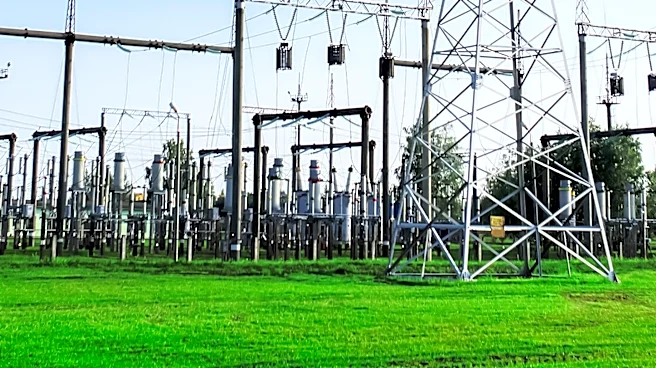
The widespread non-compliance by Texas utility companies with wildfire mitigation laws poses a significant and ongoing threat to public safety, property, and the environment across the state. The 2024 Smokehouse Creek wildfires, the largest in Texas history, underscore the catastrophic potential of electrical infrastructure-related fires. The failure of most utility companies to submit required plans means that many areas remain vulnerable to similar incidents, especially given the active wildfire season Texas has experienced. This situation highlights a critical gap in regulatory enforcement and corporate responsibility, potentially leading to further economic losses from property damage, agricultural impacts, and the costs associated with emergency response. Ranchers like Craig Cowden, who have experienced multiple fires on their land due to electrical equipment, are directly affected, facing substantial financial and personal burdens. The delay in implementing these plans also suggests a lack of preparedness that could strain state emergency services and resources during future wildfire events, impacting the overall resilience of Texas communities.
What's Next?
The looming deadline for utility companies to file their wildfire mitigation plans is January, as emphasized by Representative Ken King. Lawmakers are expected to closely monitor compliance, with King stating there will be no excuse for companies that continue to drag their feet. The Public Utility Commission (PUC) has developed a model wildfire mitigation plan to assist smaller utility companies, and its effectiveness in accelerating submissions will be crucial. Additionally, pole and maintenance plans, which will detail a complete inventory of utility assets, their locations, and ages, are also due in January. The PUC will need to actively engage with the non-compliant companies to ensure adherence to the law. The Association of Electric Companies of Texas has indicated that their member companies are on track to file their plans by year-end, but the actual submission rate will be a key indicator of progress. Continued legislative pressure and potential enforcement actions could follow if compliance remains low after the January deadline, aiming to prevent future large-scale wildfires caused by electrical infrastructure.
Beyond the Headlines
The issue of utility companies failing to comply with wildfire mitigation laws extends beyond immediate fire prevention, touching upon broader themes of corporate accountability, regulatory effectiveness, and the evolving challenges of climate change. The slow adoption of these plans, despite the clear and recent devastation caused by electrical ignitions, raises questions about the balance between corporate operational costs and public safety obligations. It also highlights the complexities of regulating a large number of diverse utility providers, from major corporations to smaller entities, each with varying resources and capabilities. The reliance on AI-powered detection cameras and Public Safety Power Shutoffs by companies like Southwestern Public Service Company (Xcel Energy) indicates a technological shift in mitigation strategies, but these measures are only effective if widely implemented and integrated into comprehensive plans. The long-term implications include potential increases in insurance costs for property owners in high-risk areas, shifts in land use planning, and a greater public demand for transparent and proactive measures from utility providers. This situation could also set precedents for how other states address similar challenges in managing infrastructure risks in the face of environmental changes.