



What's Happening?
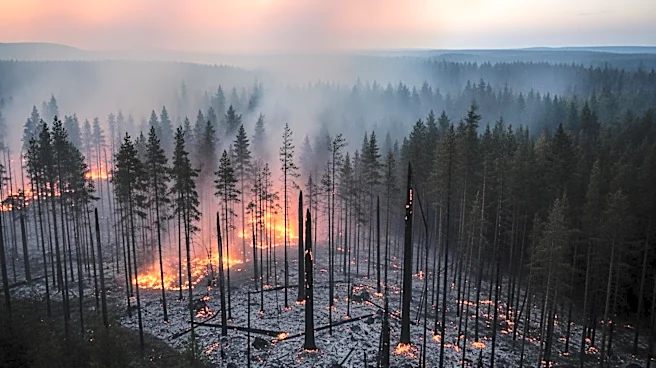
Wildfires across Georgia and Florida have intensified, leading to the destruction of 50 homes in Georgia and forcing evacuations and school closures in some communities. The Georgia Forestry Commission has issued its first mandatory burn ban across 91
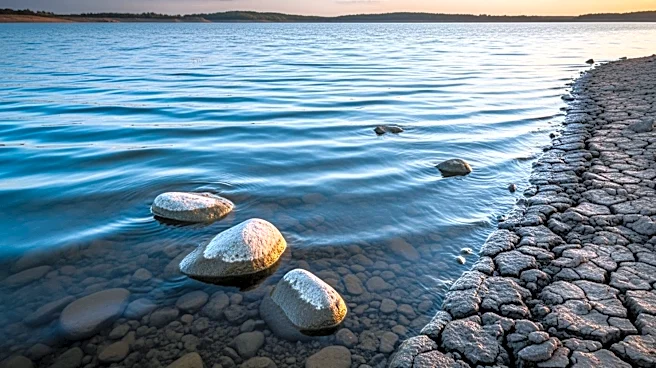
counties due to worsening drought conditions. Smoke from the fires has affected air quality in Atlanta, Savannah, and Jacksonville. The drought in the contiguous U.S. has reached record levels, with more than 61% of the lower 48 states in moderate to exceptional drought. In Florida, 131 wildfires are burning, primarily in the northern half of the state, exacerbated by low humidity and strong winds.
Why It's Important?
The wildfires pose a significant threat to public safety and property, with the potential for further destruction if conditions persist. The economic impact is considerable, as firefighting efforts require substantial resources and can strain local and state budgets. The fires also contribute to air quality issues, affecting public health, particularly for individuals with respiratory conditions. The situation highlights the need for effective fire management and prevention strategies, as well as the importance of addressing the underlying drought conditions that exacerbate wildfire risks.
What's Next?
Authorities are closely monitoring the situation and have staged firefighting equipment across the state to respond quickly to new fires. Residents in affected areas are urged to follow local guidance and be prepared for potential evacuations. The Georgia Forestry Commission and other agencies are working to contain the fires and prevent further spread. As the drought continues, the risk of wildfires remains high, and efforts to manage water resources and develop more efficient agricultural practices are critical to mitigating the impact of these natural disasters.