






What's Happening?
A recent court order has extended Temporary Protected Status (TPS) placeholder dates for several countries, including Burma (Myanmar), Ethiopia, Somalia, South Sudan, Syria, and Yemen. This extension comes as part of broader litigation efforts and is expected
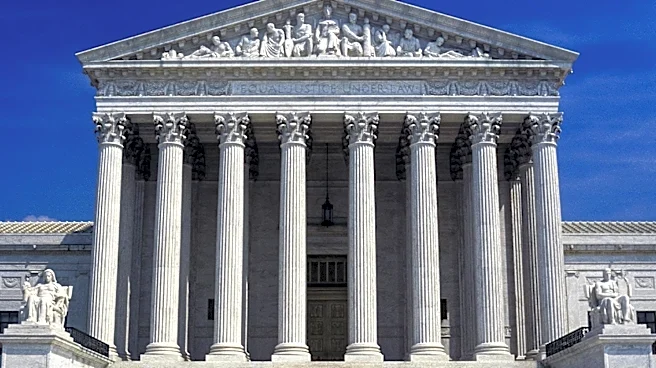
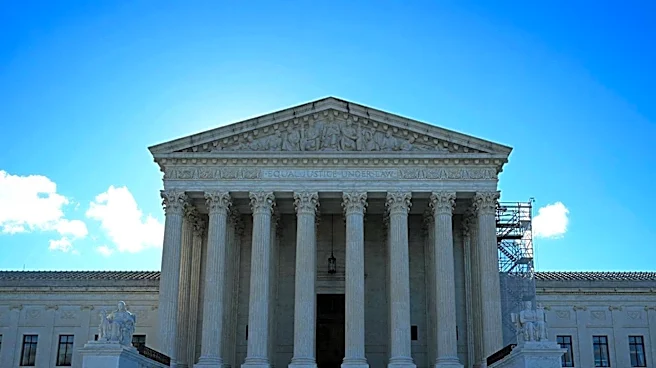
to be revisited following a U.S. Supreme Court decision in Mullin v. Doe. The court actions have temporarily blocked or postponed TPS terminations that were scheduled to end between November 2025 and May 2026. As a result, TPS beneficiaries from these countries retain their legal status and work authorization for the time being.
Why It's Important?
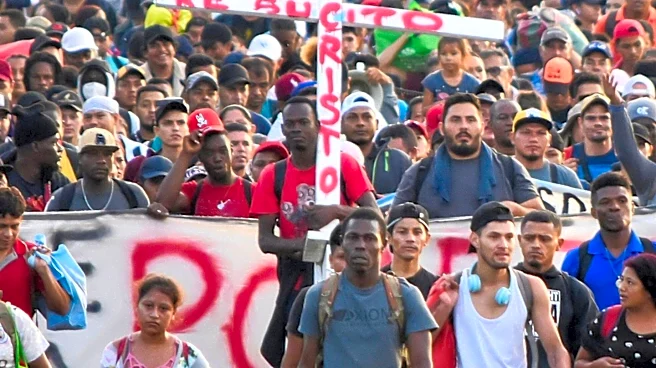
The extension of TPS placeholder dates is significant for thousands of individuals who rely on this status for legal residency and employment in the U.S. It highlights the ongoing legal battles surrounding immigration policies and the impact of judicial decisions on the lives of immigrants. Employers must navigate compliance with updated USCIS and E-Verify guidance, ensuring that TPS-related employment authorizations are properly verified and documented. The outcome of this litigation could set precedents for future immigration policy and the treatment of TPS beneficiaries.
What's Next?
The litigation surrounding TPS is expected to continue, with potential implications for immigration policy and the status of TPS beneficiaries. Employers will need to stay informed about compliance requirements and any changes resulting from court decisions. The U.S. Supreme Court's upcoming decision in Mullin v. Doe will be pivotal in determining the future of TPS for affected countries. Stakeholders, including immigrant advocacy groups and policymakers, will likely continue to engage in discussions and actions related to TPS and broader immigration reform.