



What's Happening?
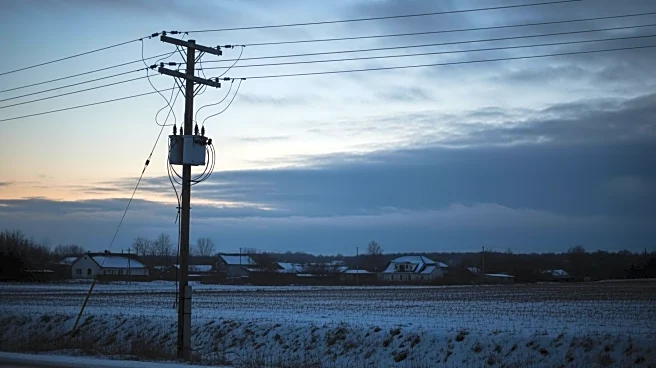
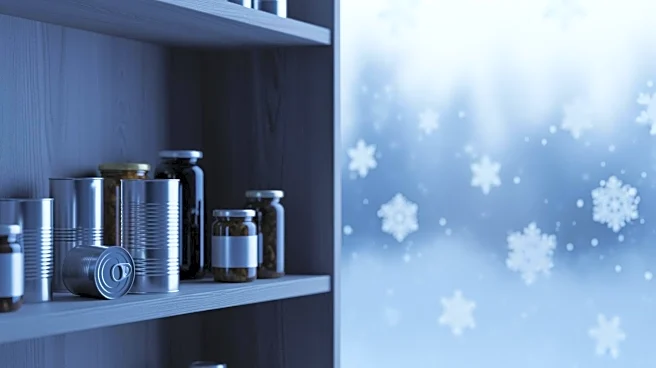
As a major winter storm looms over the U.S., grocery stores are experiencing a surge in panic-buying, leading to empty shelves across the country. Shoppers are stocking up on essentials like milk, eggs, and bread in anticipation of the storm, which is
expected to bring extreme cold and snow from January 23 to January 26. Experts advise against panic-buying, as it can exacerbate supply chain issues and leave others without necessary supplies. Retailers are preparing for the increased demand by adjusting inventory levels and staffing, but road conditions may hinder restocking efforts. Consumers are encouraged to consider nonperishable items and to be creative in finding substitutes if shelves are empty.
Why It's Important?
The panic-buying phenomenon highlights vulnerabilities in the supply chain, particularly during extreme weather events. It underscores the need for better preparedness and consumer education to prevent shortages and ensure equitable access to essential goods. The situation also reflects consumer behavior patterns observed during the COVID-19 pandemic, where fear-driven purchasing led to widespread shortages. Retailers and supply chain managers must adapt to these challenges to maintain stability and meet consumer needs during crises.
What's Next?
Retailers will continue to monitor weather forecasts and adjust their strategies to manage inventory and staffing. As the storm progresses, road conditions will play a critical role in determining how quickly stores can restock. Consumers may need to rely on online grocery delivery services if travel becomes unsafe. The experience may prompt retailers to refine their emergency response plans and explore new ways to communicate with consumers about product availability and alternatives.