
What's Happening?
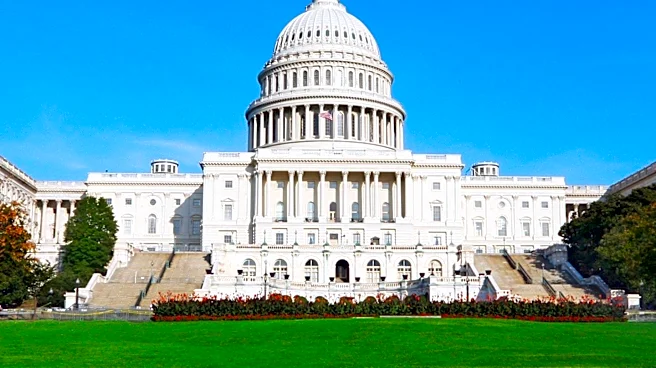
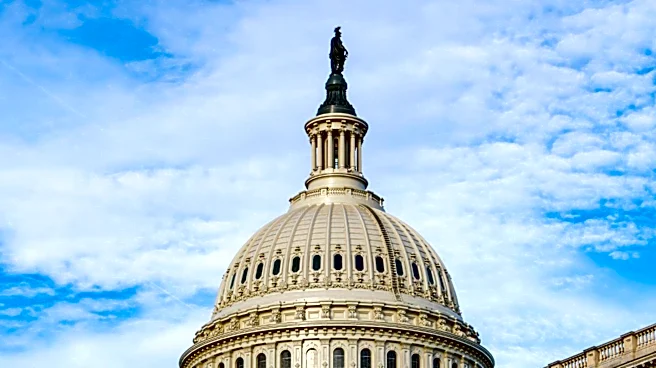
The House Committee on Oversight and Government Reform has voted to recommend that the U.S. House of Representatives hold billionaire financier Leon Black in contempt of Congress. This recommendation stems
from Black's refusal to comply with subpoenas for his testimony and nondisclosure agreements (NDAs) as part of the committee's investigation into Jeffrey Epstein's crimes. Chairman James Comer stated that Black failed to appear for a scheduled deposition on September 3, 2026, and did not produce all requested NDAs, despite having previously appeared for a transcribed interview where he reportedly refused to answer questions about NDAs. Black has filed a lawsuit to block the subpoenas, arguing they are invalid and exceed the committee's authority, and that they would expose women who value their privacy. The bipartisan committee passed the resolution recommending contempt by a vote of 41-0.
Why It's Important?
This action by the House Oversight Committee underscores the seriousness with which Congress views its investigative powers and the legal obligation to comply with subpoenas. The committee's investigation aims to understand how the federal government failed Epstein's survivors and how Epstein used his connections to avoid scrutiny. Leon Black's extensive financial relationship with Epstein, including payments of at least $158 million after Epstein became a registered sex offender, makes his testimony and the NDAs crucial to this inquiry. The outcome of this contempt recommendation could set a precedent for how individuals with significant financial and social influence are held accountable in congressional investigations, particularly in cases involving high-profile criminal activities and potential cover-ups. It also highlights the ongoing efforts to provide transparency and justice for the survivors of Epstein's abuse.
What's Next?
The resolution recommending contempt for Leon Black will now be moved to the full House of Representatives for consideration. If the House votes to hold Black in contempt, the matter could be referred to the U.S. Attorney for the District of Columbia for potential criminal prosecution. Alternatively, the House could pursue civil enforcement of the subpoena through the courts. Black's ongoing lawsuit to block the subpoenas will also proceed, creating a legal battle between congressional authority and individual rights. The committee's actions signal a continued push for accountability and transparency in the Epstein investigation, and further legal and political developments are expected as both sides pursue their objectives.
Beyond the Headlines
The dispute between the House Oversight Committee and Leon Black touches upon fundamental questions regarding the balance of power between legislative oversight and individual privacy, particularly concerning NDAs. Black's argument that the subpoenas could expose women who value their privacy raises ethical considerations about protecting victims while pursuing justice. The committee's focus on NDAs suggests a broader concern that such agreements might be used to conceal criminal activities or prevent survivors from speaking out. This case could influence future legislative efforts to regulate NDAs, especially in contexts involving sexual abuse or other serious crimes, potentially leading to reforms that prioritize transparency and accountability over confidentiality in certain circumstances. The ongoing scrutiny of individuals connected to Epstein also reflects a societal demand for a full accounting of his network and the systemic failures that allowed his crimes to persist.