






What's Happening?
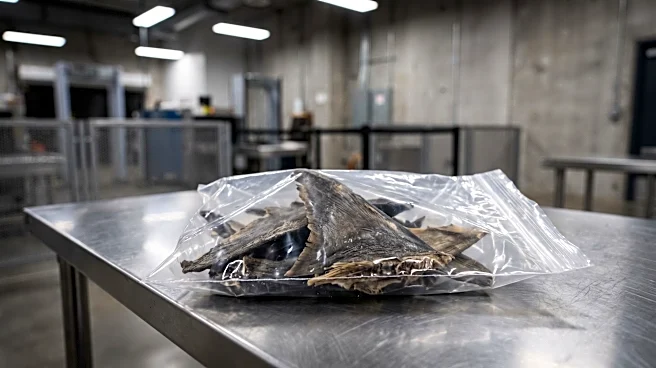
Hong Kong Customs seized approximately 31 kilograms of suspected scheduled dried shark fins from endangered species at Hong Kong International Airport on November 7. The estimated market value of the seized fins is about $130,000. A 51-year-old Mainland
female passenger, who arrived in Hong Kong from Brazil via Ethiopia, was intercepted during customs clearance. The suspected shark fins were discovered in her check-in baggage. Following an inspection by officers from the Agriculture, Fisheries and Conservation Department (AFCD), it was confirmed that the dried shark fins were likely from endangered species listed under the Convention on International Trade in Endangered Species of Wild Fauna and Flora (CITES) and regulated by Hong Kong's Protection of Endangered Species of Animals and Plants Ordinance (Cap. 586). The woman was subsequently arrested by Customs officers and has been charged by the AFCD with one count of illegal import of an Appendix II species. The case has been handed over to the AFCD for further investigation.
Why It's Important?
This seizure highlights the ongoing global issue of illegal wildlife trade, particularly concerning endangered species like sharks. The high market value of the seized fins underscores the profitability of such illicit activities, which continue to drive the decline of vulnerable marine populations. For conservation efforts, this incident is significant as it demonstrates the critical role of customs agencies in intercepting illegal shipments and enforcing international wildlife protection laws. The arrest and subsequent charges send a clear message about the legal consequences of engaging in such trade, potentially deterring others. The involvement of multiple international locations (Brazil, Ethiopia, Hong Kong) in the passenger's travel itinerary also points to the complex and often transnational nature of wildlife trafficking networks, necessitating robust international cooperation to combat them effectively. The incident also brings attention to the demand for shark fins, which fuels these illegal operations.
What's Next?
The arrested woman faces severe penalties under Hong Kong law, with potential fines up to $10 million and imprisonment for 10 years upon conviction, in addition to the forfeiture of the seized specimens. The AFCD will continue its follow-up investigation, which may involve tracing the origin and intended destination of the shark fins to dismantle broader trafficking networks. Public awareness campaigns and continued vigilance by customs and law enforcement agencies will be crucial in curbing such illegal activities. The incident may also prompt increased scrutiny and enforcement measures at Hong Kong International Airport and other ports of entry to prevent future attempts at smuggling endangered species products. International collaboration with other countries and organizations involved in wildlife protection will be essential to address the transnational aspects of this trade.
Beyond the Headlines
Beyond the immediate legal ramifications, this incident sheds light on the broader ethical and ecological concerns surrounding the consumption of endangered species products. The demand for shark fins, often driven by cultural practices, contributes significantly to the overfishing and endangerment of shark populations worldwide. This raises questions about the effectiveness of current conservation strategies and the need for more impactful public education campaigns to reduce demand. The case also highlights the economic incentives that drive individuals to participate in illegal trade, often involving vulnerable communities or individuals seeking financial gain. Addressing the root causes of demand and providing alternative livelihoods in source countries are long-term challenges that require a multi-faceted approach involving governments, NGOs, and local communities. The continued existence of such trade underscores the persistent struggle to balance human activities with biodiversity conservation.