



What's Happening?
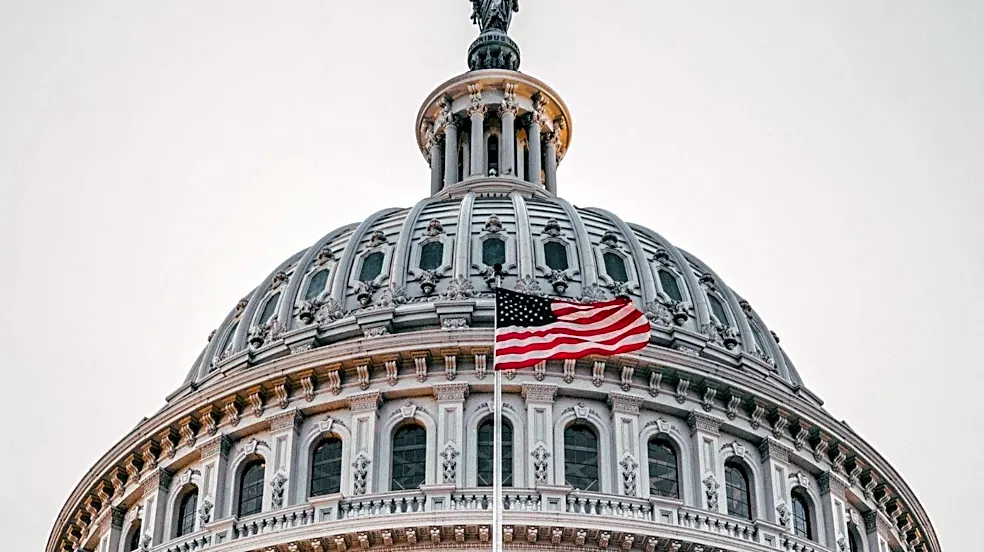
Representative Laura Gillen (D-NY-04) has introduced the bipartisan 'Protect Clean Water Act' alongside Congressman Brian Fitzpatrick (R-PA-08). This legislation aims to provide federal funding for communities to remove toxic per- and polyfluoroalkyl
substances (PFAS), also known as 'forever chemicals,' and other emerging contaminants from their drinking water supplies. The bill seeks to alleviate the financial burden on local utilities and ratepayers by authorizing $10 billion in funding over five years through the Clean Water and Drinking Water State Revolving Funds. This initiative follows the expiration of previous federal funding for PFAS removal provided by the 2021 Infrastructure Investment and Jobs Act (IIJA) at the end of fiscal year 2026. The announcement was made at a press conference in Rockville Centre, NY, with support from local Long Island mayors and clean water advocates, who emphasized the necessity of clean, safe, and affordable drinking water.
Why It's Important?
The 'Protect Clean Water Act' addresses a critical public health and economic issue across the United States. PFAS contamination in water supplies is linked to serious health problems, including high cholesterol, birth defects, and increased risks of kidney and testicular cancers. The cost of removing these contaminants is substantial, with estimates from the American Water Works Association suggesting annual drinking water treatment investments could range from $2.7 billion to $3.5 billion. Without federal assistance, these costs would largely fall on local governments and water utilities, inevitably leading to higher water bills for residents. This bill is crucial for ensuring that communities can afford to implement necessary treatment technologies and upgrade water infrastructure, thereby protecting public health without imposing undue financial strain on working families and local economies. Endorsements from various water and environmental organizations highlight the widespread recognition of this challenge and the need for sustained federal investment.
What's Next?
The 'Protect Clean Water Act' will now proceed through the legislative process in Congress. Its bipartisan introduction by Representative Gillen and Congressman Fitzpatrick suggests potential for broader support, but it will need to gain traction and pass both the House and Senate to become law. If enacted, the authorized $10 billion in federal funding would be distributed over five years through existing State Revolving Funds, providing a significant boost to communities struggling with PFAS remediation. Stakeholders, including local mayors, clean water advocates, and water utility associations, will likely continue to lobby for its passage, emphasizing the public health benefits and economic relief it would provide. The bill's success would enable more widespread adoption of advanced wastewater treatment and contaminant destruction technologies, ensuring safer drinking water for more Americans.
Beyond the Headlines
This legislation underscores a growing national concern regarding environmental contaminants and the long-term health impacts of industrial chemicals. The term 'forever chemicals' highlights the persistent nature of PFAS in the environment and the human body, posing an ongoing challenge for public health and environmental policy. The bill also touches upon the broader issue of infrastructure investment, particularly in water systems, which are often aging and underfunded. Beyond the immediate health and economic implications, the 'Protect Clean Water Act' reflects a shift towards greater federal responsibility in addressing environmental pollution that transcends local jurisdictions. It also raises questions about corporate accountability for pollution and the need for preventative measures to stop contamination at its source, rather than solely focusing on remediation. The bipartisan nature of the bill suggests a potential for common ground on environmental issues, even in a politically divided landscape.