






What's Happening?
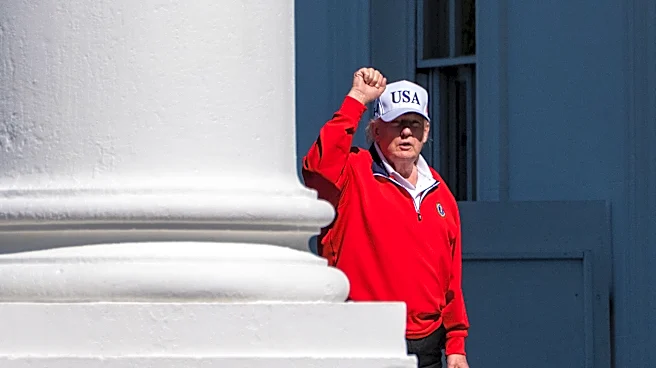
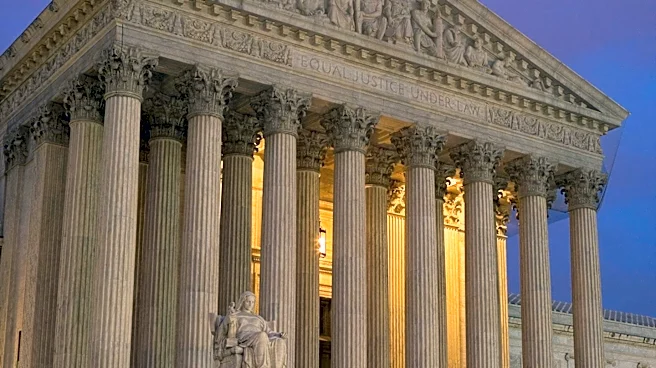
A recent survey conducted by Marquette Law School indicates that a significant portion of the American public believes the Supreme Court often rules in favor of President Trump. The poll, conducted in May, found that approximately 60% of adults think
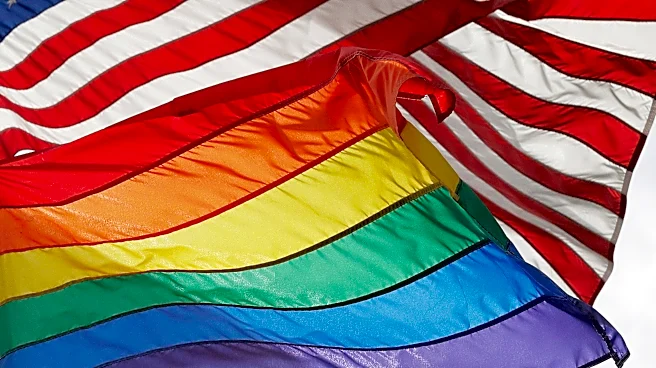
the court sides with Trump 'almost always' or 'most of the time.' This perception persists despite the court's rejection of Trump's sweeping tariffs, a key component of his economic agenda. The survey also highlights public opinion on various court decisions, including the rejection of Colorado's ban on conversion therapy and the ongoing debate over transgender athletes in sports. The court's interim decisions have allowed the Trump administration to implement controversial policies, such as terminating federal spending and banning transgender individuals from military service, while litigation is ongoing.
Why It's Important?
The survey results underscore the public's perception of the Supreme Court's alignment with President Trump's policies, which could influence future judicial and political dynamics. The belief that the court frequently supports Trump may affect public trust in the judiciary and its perceived impartiality. Additionally, the court's decisions on key issues, such as birthright citizenship and presidential control over independent agencies, could have significant implications for U.S. governance and civil rights. The survey also reflects societal divisions on LGBTQ+ rights and immigration policies, highlighting the contentious nature of these issues in American politics.
What's Next?
The Supreme Court is expected to make decisions on several major cases involving President Trump's executive orders and policies. These include rulings on birthright citizenship and the president's ability to remove members from independent agencies like the Federal Reserve. The outcomes of these cases could further shape the balance of power between the executive branch and independent agencies, as well as impact immigration and civil rights laws. Stakeholders, including political leaders and civil rights groups, are likely to respond to these decisions, potentially leading to legislative or judicial challenges.