




What's Happening?
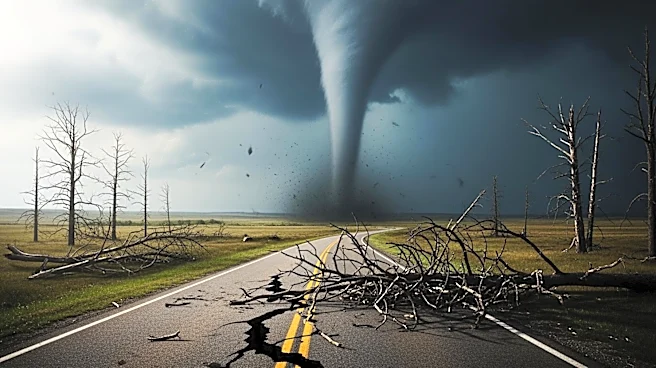
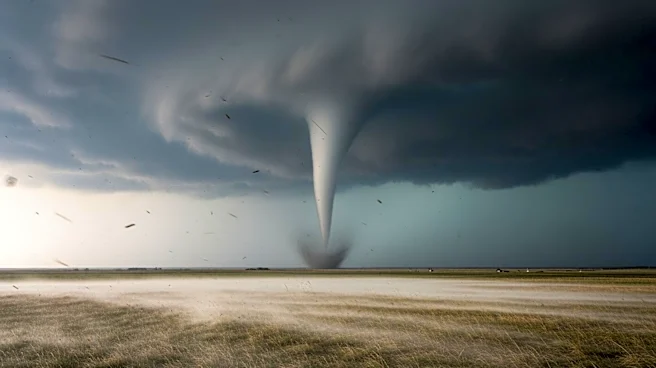
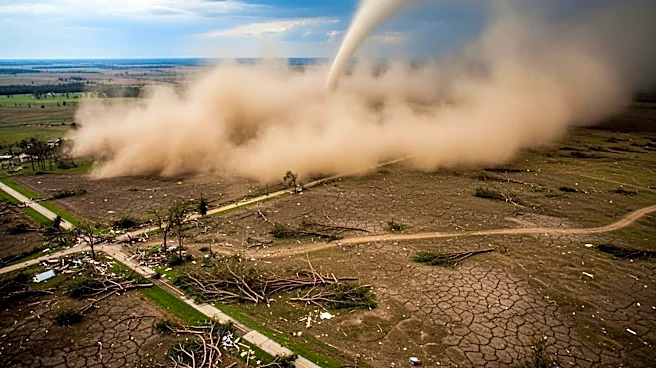
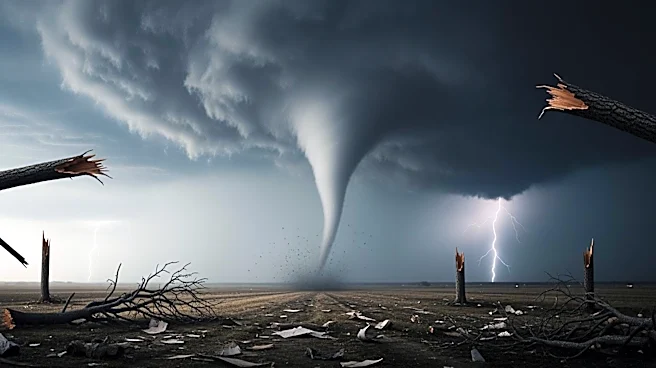
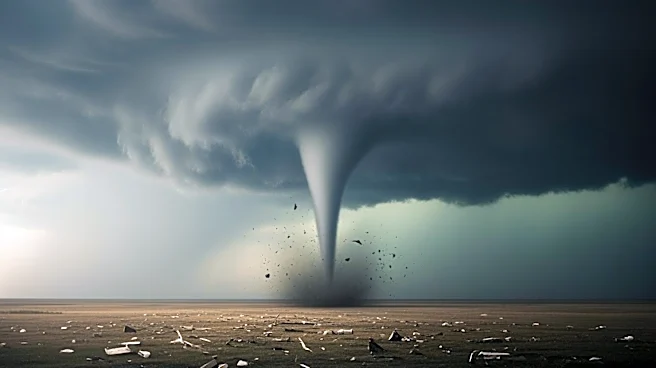
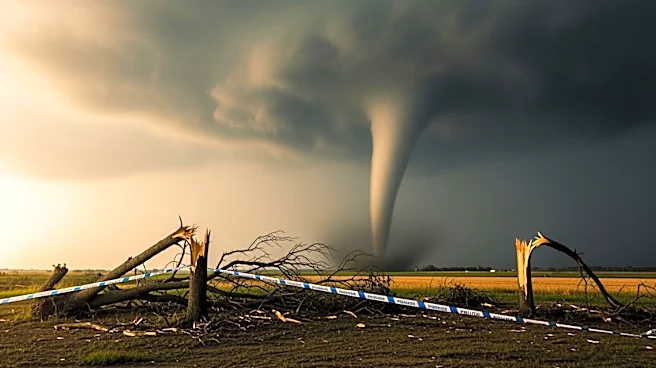
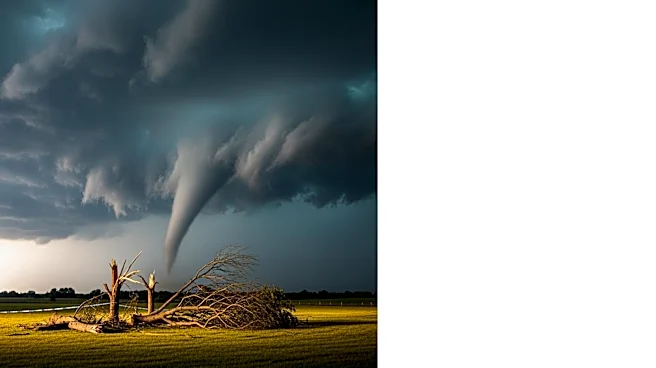
A powerful tornado struck Enid, Oklahoma, causing significant damage to approximately 40 homes and resulting in multiple injuries. The tornado, classified as an EF-4, had winds ranging from 170 to 175 miles per hour and was about 500 yards wide at its
largest. This event marked the beginning of a series of severe weather threats expected to continue through early next week across the central United States. The National Weather Service issued a rare tornado emergency for Enid, highlighting the severity of the situation. Oklahoma Governor Kevin Stitt declared a disaster emergency in Garfield County and nearby Kay County to facilitate recovery efforts. Despite the extensive damage, there were no fatalities, and only minor injuries were reported.
Why It's Important?
The tornado in Oklahoma underscores the ongoing vulnerability of the central United States to severe weather events, particularly during the spring storm season. The declaration of a disaster emergency by Governor Stitt allows for the mobilization of additional resources to aid in recovery efforts, highlighting the importance of state and local government preparedness in responding to natural disasters. The continuation of severe weather threats poses risks to infrastructure, public safety, and economic activities in the affected regions. The potential for further storms, including damaging winds, large hail, and additional tornadoes, could exacerbate the situation, impacting communities and potentially leading to further economic and social disruptions.
What's Next?
The central United States remains under an elevated threat of severe weather, with the most potent days expected on Sunday and Monday. Meteorologists are monitoring the situation closely, as the development of additional storms depends on specific atmospheric conditions. If these conditions align, powerful thunderstorms could develop, potentially leading to more supercells and tornadoes. Communities in the affected areas are advised to stay informed and prepared for possible severe weather events. The ongoing threat highlights the need for continued vigilance and readiness among residents and emergency management officials.