




What's Happening?
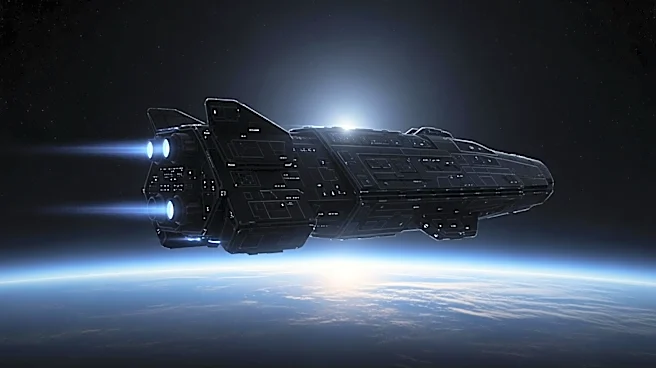
On April 11, 2026, SpaceX successfully launched a Falcon 9 rocket carrying Northrop Grumman's Cygnus XL cargo spacecraft to the International Space Station (ISS). The mission, designated NG-24, marks Northrop Grumman's 24th resupply flight to the ISS under
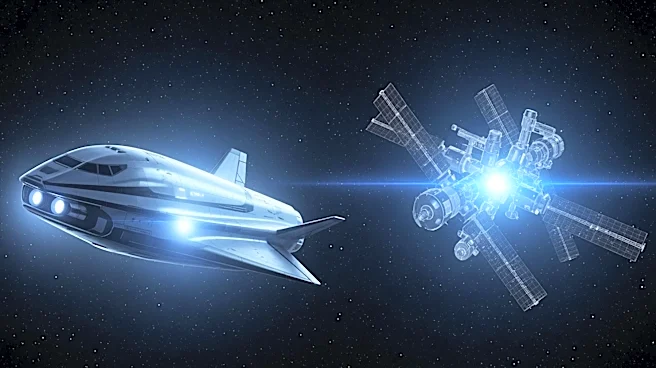
NASA's Commercial Resupply Services. The Cygnus XL, named S.S. Steven R. Nagel in honor of the late NASA astronaut, is set to deliver approximately 11,000 pounds of science equipment and supplies to the station. This launch is the second flight of the Cygnus XL, following its inaugural mission last September. The spacecraft is scheduled to arrive at the ISS on April 13, where it will be captured by the station's robotic arm and berthed to the Unity module.
Why It's Important?
The successful launch of the Cygnus XL is significant for several reasons. It underscores the ongoing collaboration between NASA and private companies like SpaceX and Northrop Grumman in maintaining and supplying the ISS. The mission also highlights the increasing reliance on commercial spaceflight for critical operations, as Northrop Grumman continues to use SpaceX's Falcon 9 rockets while its own Antares 330 rocket is under development. The delivery of over 5 tons of supplies is crucial for the continued scientific research and daily operations aboard the ISS, supporting the astronauts' work and experiments in space.
What's Next?
Following its arrival at the ISS, the Cygnus XL will remain attached to the station for several months, during which time the supplies and equipment will be unloaded. The spacecraft will eventually be filled with waste and other materials for disposal before it departs the ISS and burns up upon re-entry into Earth's atmosphere. This mission sets the stage for future resupply missions and the continued partnership between NASA and commercial spaceflight companies, which are essential for the sustainability of the ISS and future space exploration endeavors.