




What's Happening?
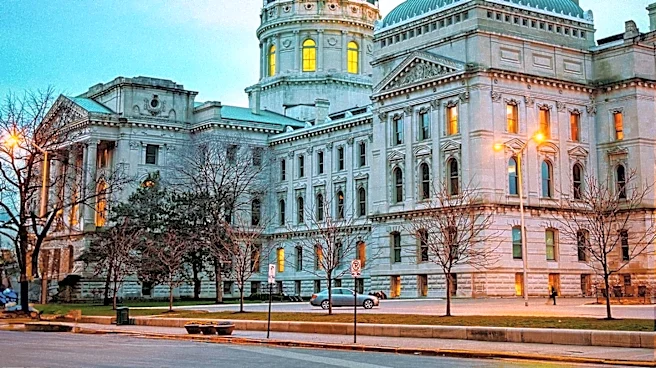
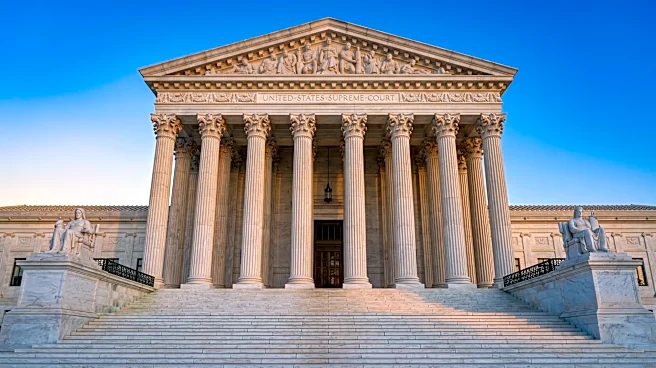
The U.S. Supreme Court, in a 6-3 decision in Mullin v. Al Otro Lado, has ruled that an alien standing in Mexico does not 'arrive in the United States' by merely attempting to enter the country. The Court determined that an alien 'arrives in the United States' only
upon physically crossing the border. This interpretation means that the Immigration and Nationality Act (INA) does not grant individuals in Mexico the right to apply for asylum nor does it require an immigration officer to inspect them. The case originated from a 2017 class-action lawsuit against U.S. Customs and Border Protection (CBP) by asylum seekers and the immigration-advocacy organization Al Otro Lado. They argued that CBP's 'metering' policy, which limited the number of asylum seekers processed daily at U.S.-Mexico border ports of entry, unlawfully withheld inspection and asylum processing. The metering policy was implemented in November 2016 due to a surge in asylum seekers exceeding processing capacity and continued through subsequent presidential administrations. Although the government rescinded the metering policy in November 2021, the Supreme Court's decision clarifies the legal definition of 'arrival' for asylum purposes.
Why It's Important?
This Supreme Court ruling significantly impacts U.S. asylum policy and the rights of individuals seeking refuge at the U.S.-Mexico border. By defining 'arrival' as physical entry into the US, the decision effectively limits access to asylum procedures for those who have not yet crossed the border. Justice Sonia Sotomayor, in her dissenting opinion joined by Justices Elena Kagan and Ketanji Brown Jackson, warned of severe consequences, stating that 'More people will die. More people will attempt to cross the border illegally, and some will make it while others will not.' This suggests an anticipated increase in dangerous illegal border crossings as individuals are denied legal avenues for asylum processing at ports of entry. The ruling could also lead to more individuals being subjected to violence in Mexico while awaiting an opportunity to enter the U.S. The decision reinforces the government's ability to control the flow of asylum seekers at the border, potentially reducing the number of asylum claims processed and altering the landscape of immigration enforcement.
What's Next?
The Supreme Court's decision is likely to prompt various reactions from stakeholders. Immigration advocacy groups and human rights organizations are expected to continue challenging policies that restrict asylum access, potentially exploring new legal avenues or advocating for legislative changes. The ruling may also influence future immigration policies and enforcement strategies by the U.S. government, potentially leading to a more restrictive approach at the border. Border communities and humanitarian organizations operating in the region may face increased pressure as more asylum seekers could be stranded in Mexico, awaiting opportunities to enter the U.S. The dissent's prediction of increased illegal crossings and associated dangers suggests that the humanitarian crisis at the border could intensify, requiring greater resources and attention from both governmental and non-governmental entities. The long-term implications for U.S. immigration law and international obligations regarding asylum remain to be seen, but immediate impacts on individuals seeking protection are anticipated.
Beyond the Headlines
The Supreme Court's interpretation of 'arrival' delves into the fundamental legal and ethical questions surrounding national sovereignty and humanitarian obligations. The majority's reliance on the 'ordinary meaning' of the phrase 'arrive in' contrasts sharply with the dissent's emphasis on the legislative intent and humanitarian consequences. This legalistic approach to a complex humanitarian issue highlights the ongoing tension between national security concerns and the protection of vulnerable populations. The decision could set a precedent for how future immigration laws are interpreted, potentially narrowing the scope of protections for noncitizens. Furthermore, it raises questions about the role of the judiciary in balancing statutory interpretation with the broader societal and ethical implications of its rulings. The ruling may also fuel further debate on the need for comprehensive immigration reform that addresses both border security and humanitarian concerns in a more integrated manner, rather than through piecemeal legal interpretations.