






What's Happening?
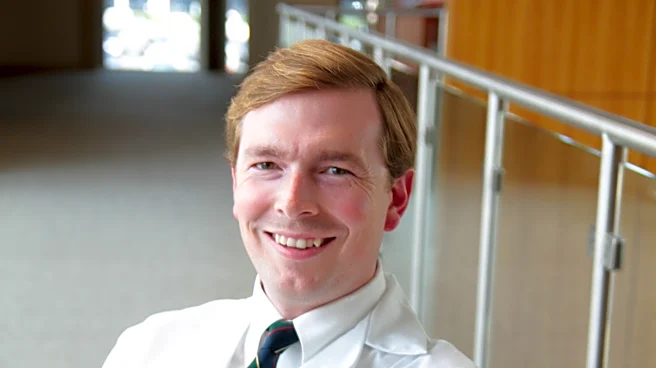
Dr. Alfred Dewayne Sutton, a military veteran, pastor, and father, was diagnosed with adenoid cystic carcinoma, a rare form of cancer affecting glandular tissue, after initially dismissing persistent nosebleeds as minor. For months, Sutton attributed
his symptoms to dry air and allergies, despite his wife Nina's urging to seek medical attention. The nosebleeds became progressively worse, culminating in a severe incident at church that prompted him to visit the Veterans Health Administration (VHA). A CT scan revealed a significant tumor in his right nasal cavity, which was later confirmed as cancerous through biopsy. This rare cancer accounts for only 1 percent of all head and neck cancers, with approximately 1,200 diagnoses annually in the U.S. Sutton underwent extensive surgery, including a total rhinectomy, and subsequent radiation therapy to combat the aggressive disease.
Why It's Important?
This story underscores the critical importance of early detection and listening to one's body, even when symptoms appear minor. Sutton's experience highlights a common tendency, particularly among men, to ignore health concerns, which can lead to delayed diagnoses of serious conditions like rare cancers. The narrative serves as a powerful public health message, encouraging individuals to seek medical advice for persistent or worsening symptoms, regardless of how innocuous they may seem. For the U.S. healthcare system, it emphasizes the need for accessible and thorough diagnostic processes, especially for less common diseases that might initially be misdiagnosed. Furthermore, it sheds light on the challenges faced by patients with rare cancers, from diagnosis to extensive treatment and the psychological impact of life-altering surgeries, advocating for greater awareness and support for these conditions.
What's Next?
Dr. Sutton is actively sharing his cancer journey on TikTok (@i_am_d_sutton) to raise awareness about early detection and the importance of not ignoring seemingly minor symptoms. His advocacy will likely continue to focus on encouraging others to prioritize their health and seek timely medical evaluations. For the medical community, his story may prompt further discussions on diagnostic protocols for unusual symptoms and the need for increased awareness of rare cancers among general practitioners. Patients facing similar diagnoses may find inspiration and guidance from his experience, particularly regarding coping with physical changes and maintaining a positive outlook. His message also contributes to a broader conversation about resilience, identity beyond physical appearance, and the role of faith and community support in overcoming significant health challenges.
Beyond the Headlines
Beyond the immediate health implications, Dr. Sutton's story delves into the profound psychological and social aspects of living with a life-altering diagnosis. His reflection on losing part of his body but not his identity challenges societal perceptions of appearance and self-worth. As a pastor and veteran, his journey highlights the strength derived from faith and military discipline in confronting adversity. The narrative also touches upon the often-overlooked emotional toll on patients and their families, emphasizing the need for comprehensive support systems. His public sharing of his experience aims to destigmatize physical changes resulting from cancer treatment and foster a more empathetic understanding of survivors' journeys, promoting a message of hope and purpose even in the face of significant personal transformation.