
What's Happening?
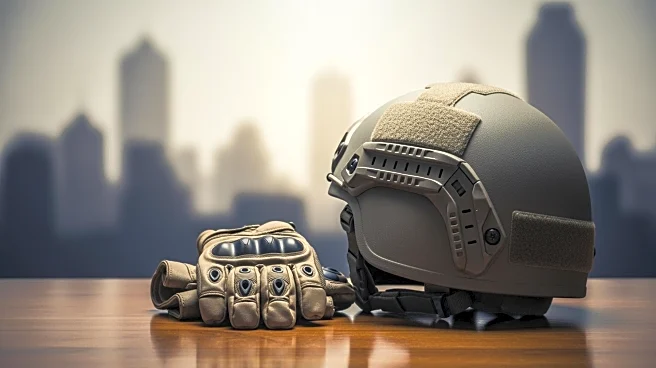
The Department of Defense has placed approximately 1,500 active-duty Army soldiers on standby for potential deployment to Minnesota due to escalating unrest in Minneapolis. This unrest is linked to federal
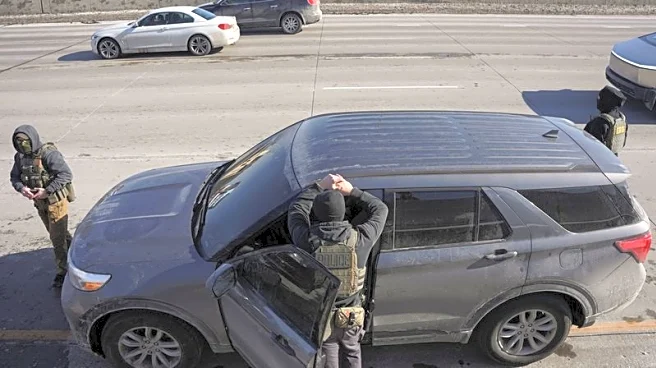
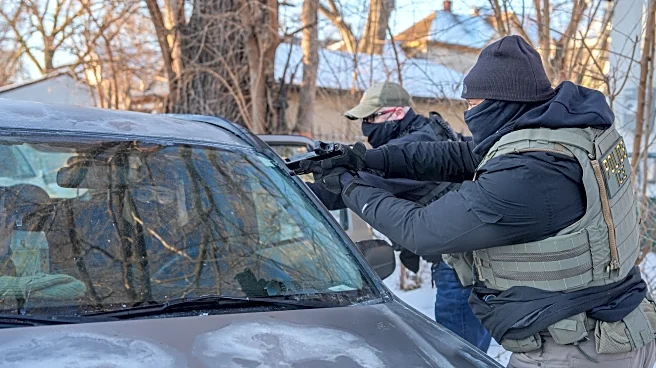
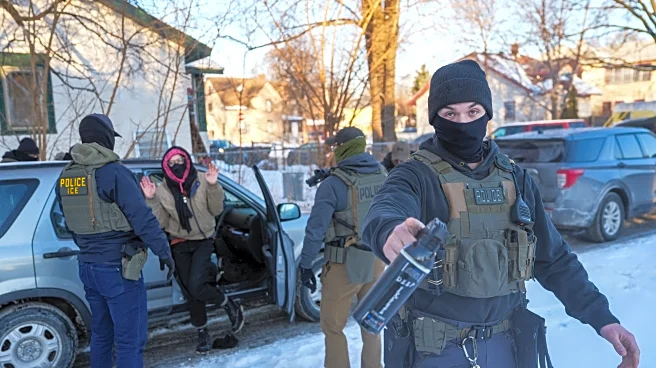
immigration enforcement operations and a fatal shooting involving an Immigration and Customs Enforcement (ICE) agent. The soldiers, from the Army’s 11th Airborne Division based in Alaska, are prepared for rapid deployment in extreme winter conditions. This readiness is a contingency measure following President Trump's warning that the federal government might invoke the Insurrection Act if local authorities fail to maintain order. The protests began after an ICE agent fatally shot a local resident, sparking demonstrations against ICE and the Department of Homeland Security's operations. These protests have led to clashes with federal officers, and civil liberties groups have filed lawsuits alleging constitutional violations by federal agents.
Why It's Important?
The situation in Minneapolis highlights significant tensions between federal and state authorities over immigration enforcement and the use of military forces in domestic unrest. The potential deployment of active-duty troops for domestic purposes is rare and underscores the seriousness of the federal government's posture. This development raises concerns about the balance of power between state and federal authorities, particularly regarding the use of the Insurrection Act, which allows the president to deploy military forces domestically under certain conditions. The protests and the federal response also reflect broader national debates over immigration policy and civil liberties, with implications for how similar situations might be handled in the future.
What's Next?
Currently, no active-duty troops have been deployed to Minnesota, but the situation remains fluid. The Minnesota National Guard has been activated under state authority to support civil authorities if necessary. Future developments will depend on the intensity of the protests, any perceived threats to federal facilities, and whether the White House decides to formally invoke the Insurrection Act. The ongoing legal challenges and public opposition to federal immigration policies will likely continue to influence the situation.
Beyond the Headlines
The readiness of military forces for potential domestic deployment raises important questions about the role of the military in civil society and the legal frameworks governing such actions. The situation in Minneapolis could set precedents for how similar unrest is managed in the future, particularly in terms of federal-state relations and the use of military force in domestic contexts. The involvement of the military in civil disturbances also poses ethical and legal challenges, as it may impact public perceptions of military neutrality and the protection of civil liberties.