



What's Happening?
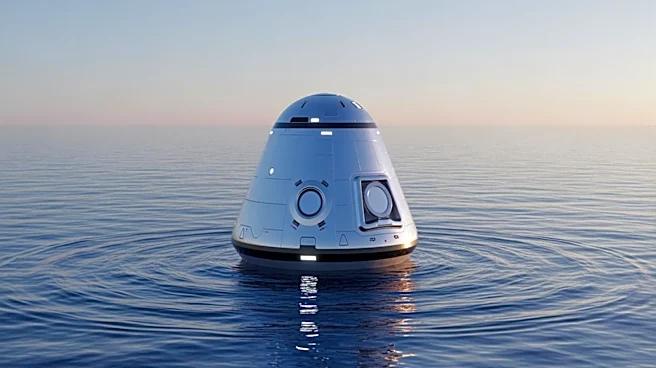
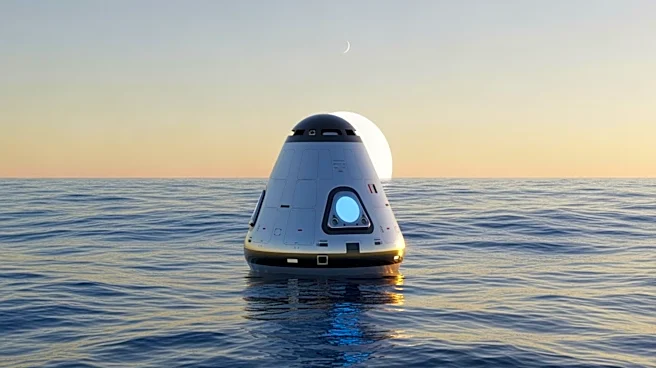
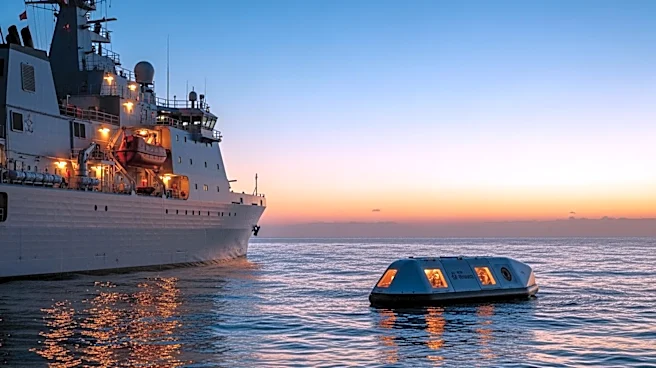
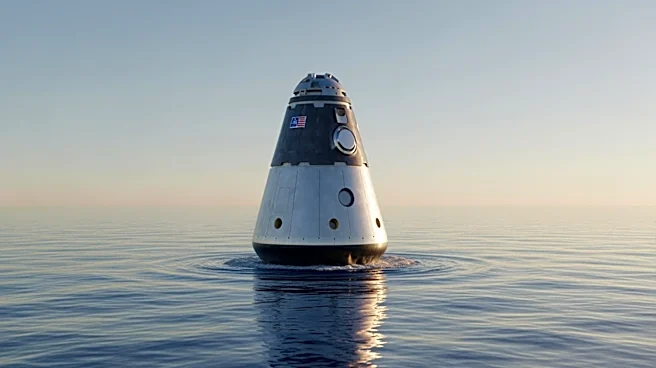
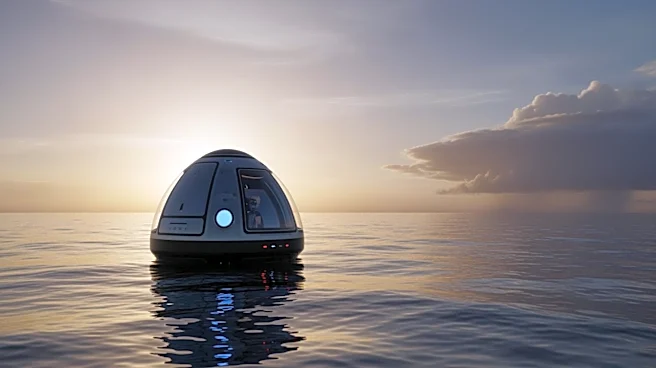
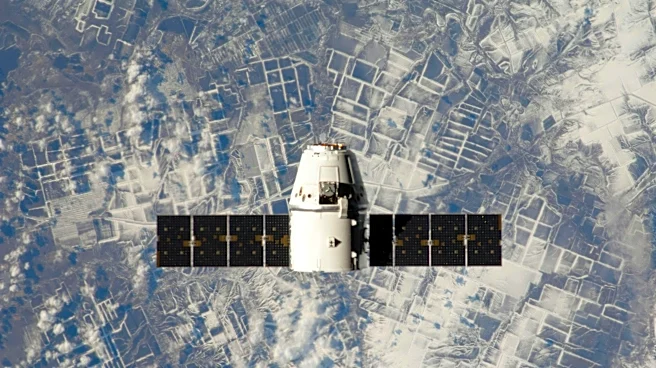
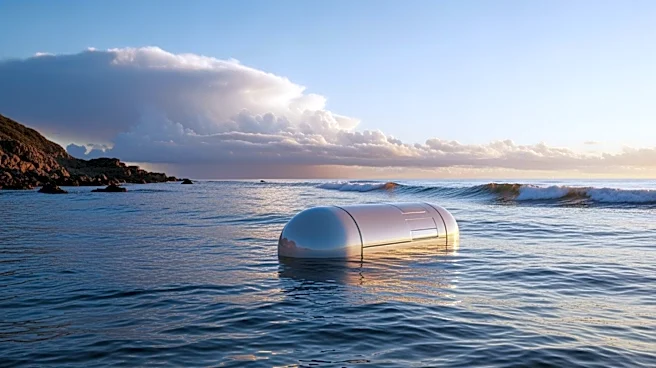
A team of NASA astronauts successfully completed the Artemis II mission by splashing down in the Pacific Ocean off the coast of San Diego. This mission marks the first crewed NASA mission to the moon in decades, signifying a significant milestone in space
exploration. The astronauts explored the far side of the moon, providing valuable insights and data. Roy Gal, an associate astronomer with the University of Hawai‘i Institute for Astronomy, discussed the mission's achievements and the celestial events that residents in Honolulu and Hilo can anticipate. Upcoming public astronomy events include the Institute for Astronomy Open House at UH Mānoa and AstroDay 2026 at Prince Kūhiō Plaza in Hilo.
Why It's Important?
The successful completion of the Artemis II mission represents a pivotal moment in NASA's efforts to return humans to the moon and further space exploration. This mission not only advances scientific understanding of the moon but also sets the stage for future lunar missions, potentially paving the way for sustained human presence on the moon. The data and experiences gathered from this mission could influence future space policies and inspire technological advancements. Additionally, public interest in astronomy and space exploration is likely to increase, fostering educational opportunities and community engagement through upcoming events in Hawaii.
What's Next?
Following the Artemis II mission, NASA is expected to analyze the data collected to plan subsequent missions, including Artemis III, which aims to land astronauts on the lunar surface. The success of Artemis II could accelerate timelines for future missions and collaborations with international space agencies. Public astronomy events in Hawaii will provide opportunities for community members to engage with the latest developments in space exploration and inspire the next generation of scientists and explorers.