










What's Happening?
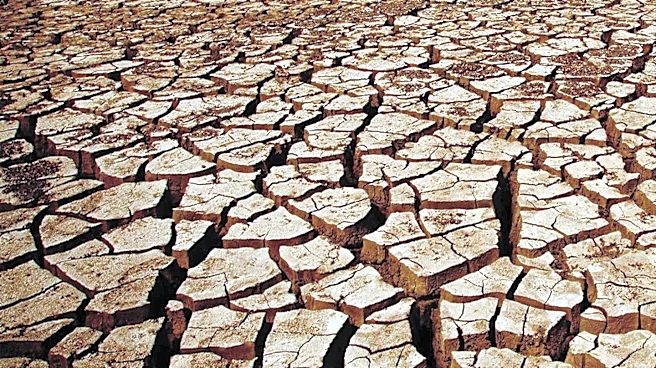
Bangladesh is experiencing significant challenges due to erratic rainfall patterns, which have severely impacted agriculture and public health. According to the Bangladesh Meteorological Department, June's rainfall was 29.4% below the long-term average,
marking the fourth consecutive year of below-normal June rainfall. This has forced farmers to rely heavily on supplementary irrigation for the Aman rice crop, increasing their costs significantly. The lack of rainfall has also affected the production of summer vegetables and fruits. The Bangladesh Bureau of Statistics reports a decline in Aus rice production for the fifth consecutive year, with yields dropping by 1.65% to 2.86 tonnes per hectare. Experts attribute these agricultural challenges to climate change, which is also exacerbating public health issues. Prolonged heat waves have increased cases of heat exhaustion and heatstroke, while erratic weather patterns have led to a rise in dengue and other waterborne diseases.
Why It's Important?
The situation in Bangladesh highlights the broader implications of climate change on agriculture and public health. The reliance on rain-fed crops like Aus and Aman rice makes the agricultural sector particularly vulnerable to changing weather patterns. This not only threatens food security but also places additional financial burdens on farmers. The public health sector is also under strain, as climate-induced weather extremes lead to increased health risks, including heat-related illnesses and vector-borne diseases. These challenges underscore the need for comprehensive climate adaptation strategies to safeguard both food security and public health. The situation serves as a warning for other regions facing similar climate challenges, emphasizing the importance of integrating climate considerations into agricultural and public health policies.
What's Next?
Experts suggest that future agricultural policies in Bangladesh should incorporate climate change considerations to ensure long-term food security. This may involve diversifying crops, improving irrigation infrastructure, and adopting climate-resilient farming practices. On the public health front, there is a need for enhanced surveillance and response systems to manage the increased risk of climate-sensitive diseases. Additionally, public awareness campaigns could help communities better prepare for and respond to climate-related health risks. As weather patterns continue to shift, ongoing research and policy adjustments will be crucial in mitigating the impacts of climate change on agriculture and public health.
Beyond the Headlines
The challenges faced by Bangladesh due to erratic rainfall and climate change have deeper implications for global food security and public health. As climate change continues to alter weather patterns worldwide, countries with similar agricultural dependencies may face increased risks of food shortages and health crises. This situation highlights the ethical responsibility of developed nations to support climate adaptation efforts in vulnerable regions. It also raises questions about the long-term sustainability of current agricultural practices and the need for innovative solutions to address the growing impacts of climate change.