


What's Happening?
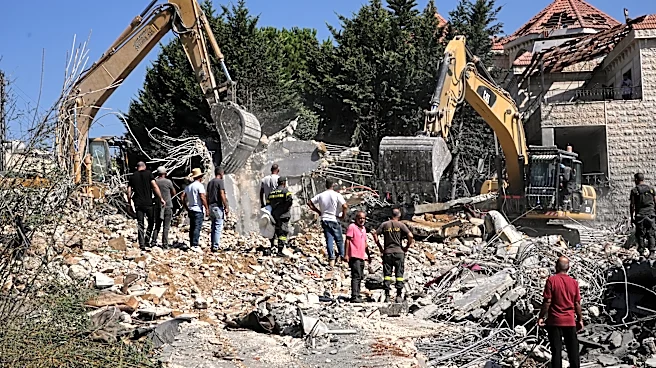
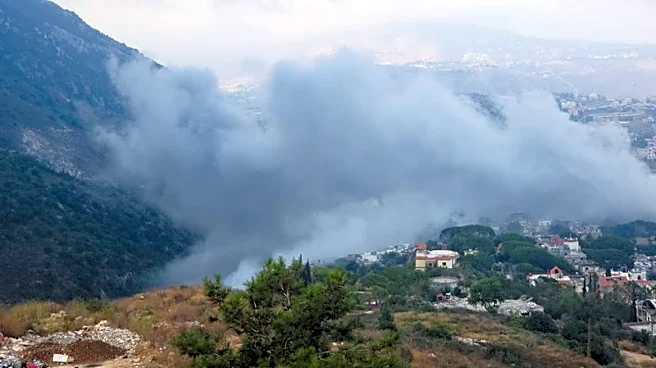
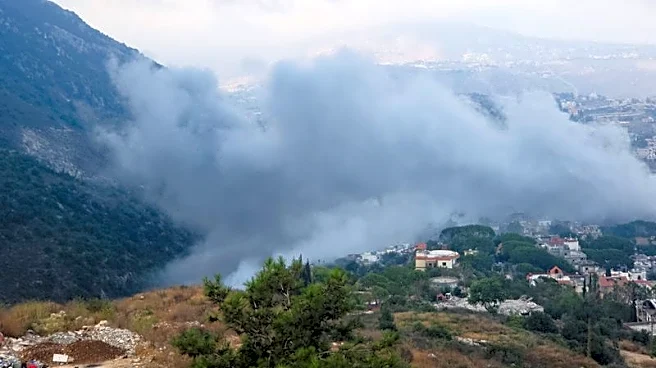
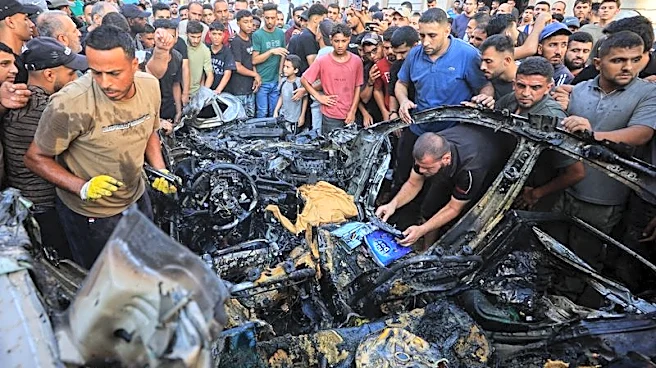
The Committee to Protect Journalists (CPJ) has expressed alarm over recent Israeli strikes in Gaza and Lebanon that have injured at least four journalists. These incidents, including three on September 6 alone, occurred despite existing ceasefire arrangements,
highlighting the precarious safety of media workers in conflict zones. Among those injured were Al-Manar TV correspondent Ali Chbib and cameraman Mohammed Barjawi in southern Lebanon, who sustained injuries from debris following an Israeli drone strike. In Gaza City, Palestinian journalist and producer Ali Jahjouh was wounded by shrapnel from a nearby Israeli drone strike, and Ezaldin Albtesh of Al-Rai newspaper was injured by an explosive dropped by an Israeli drone. CPJ asserts that these events demonstrate the ineffectiveness of ceasefires in protecting journalists and has called on Israeli forces to cease actions that endanger reporters and to take concrete measures to ensure their safety. The organization noted that these incidents follow previous attacks, including the killing of Lebanese journalist Amal Khalil and the wounding of freelance journalist Zeinab Faraj in April, which Amnesty International suggested could be a war crime.
Why It's Important?
The continued targeting and injury of journalists in Gaza and Lebanon, even during periods of supposed ceasefire, has significant implications for press freedom and the public's right to information. Journalists play a critical role in documenting conflicts and their human impact, and their inability to operate safely undermines transparency and accountability. The CPJ's findings suggest a systemic failure to protect media workers, which can lead to self-censorship, reduced coverage from conflict zones, and a distorted understanding of events. This situation also raises questions about adherence to international humanitarian law, which mandates the protection of civilians, including journalists, in armed conflicts. The lack of response from the Israeli military to CPJ's inquiries further exacerbates concerns about accountability and the willingness to address these issues. The ongoing risks faced by journalists in these regions underscore the urgent need for international bodies and involved parties to enforce protections for media professionals.
What's Next?
The Committee to Protect Journalists will likely continue to monitor and report on incidents involving journalists in Gaza and Lebanon, advocating for their safety and for accountability from all parties involved. International press freedom organizations and human rights groups are expected to maintain pressure on Israeli forces to adhere to international laws protecting journalists and to investigate reported incidents thoroughly. There may be increased calls for independent investigations into these attacks, particularly given Amnesty International's previous assessment of a potential war crime. The international community will also be watching for any changes in military protocols or policies aimed at safeguarding media personnel. The continued documentation of these events by local and international journalists, despite the risks, will remain crucial for informing the global public and potentially influencing diplomatic efforts to ensure greater protection for those reporting from conflict areas.
Beyond the Headlines
The persistent danger faced by journalists in conflict zones like Gaza and Lebanon highlights a broader erosion of press freedom globally and the increasing risks associated with independent reporting. Beyond the immediate physical harm, these incidents contribute to a climate of fear that can have long-term consequences for the media landscape. When journalists are targeted, it not only silences individual voices but also sends a chilling message to others, potentially leading to a decline in critical reporting and an increase in propaganda. This situation also underscores the ethical dilemma faced by news organizations and individual journalists: how to balance the imperative to report the truth with the need to ensure the safety of their personnel. The lack of accountability for attacks on journalists can perpetuate a cycle of violence and impunity, making it more challenging to establish lasting peace and reconciliation in conflict-affected regions. The international community's response to these incidents will be a critical indicator of its commitment to upholding press freedom and protecting those who risk their lives to inform the world.