




What's Happening?
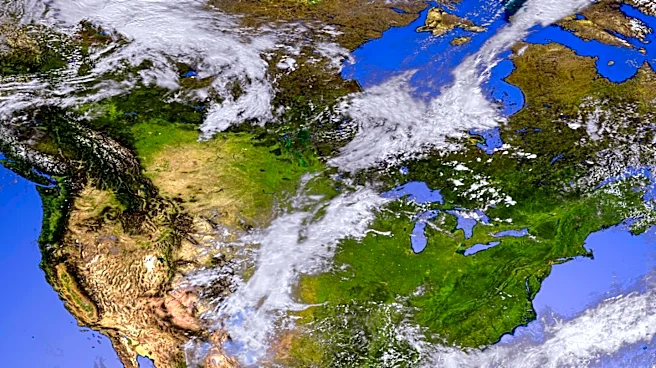
The National Weather Service has issued a warning about a significant heat wave set to affect a large portion of the United States this week. This weather event is expected to bring high temperatures and humidity levels, particularly impacting the lower
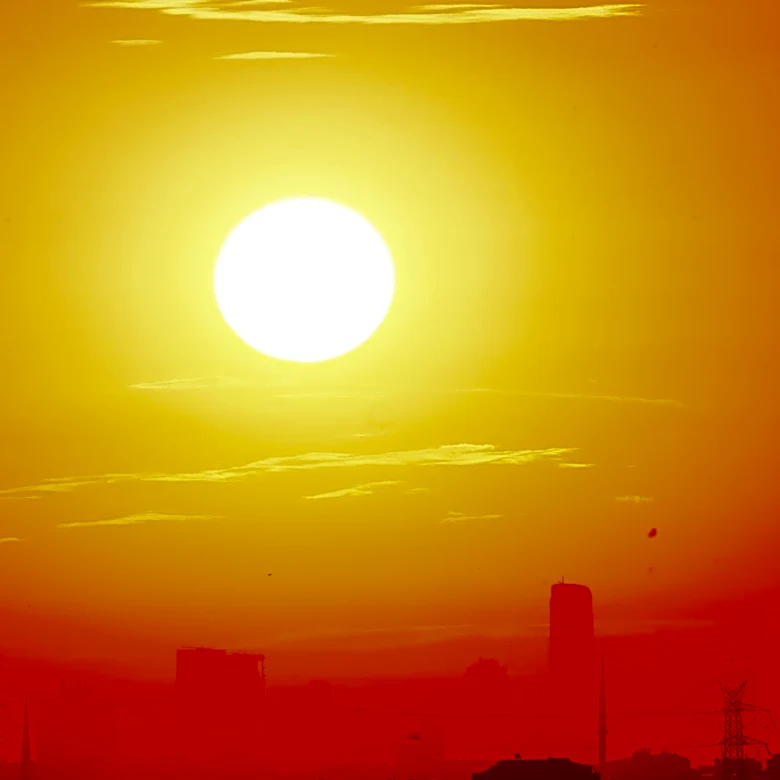
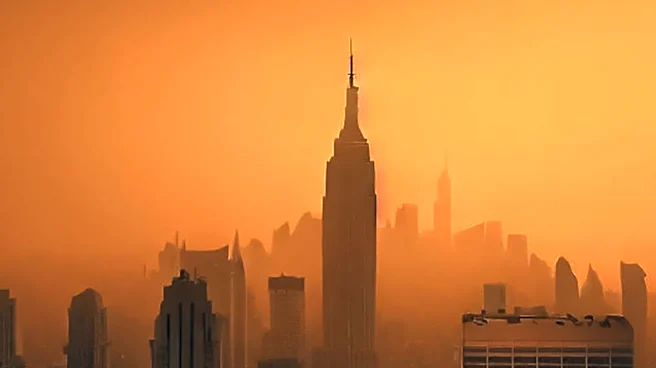
Great Lakes, the mid-Atlantic, and the Mississippi and Ohio River valleys. Cities such as New York, Philadelphia, Washington, and Baltimore on the East Coast, as well as Chicago, Indianapolis, St. Louis, and Detroit in the Midwest, will experience the brunt of the heat. Southern cities like Dallas, Little Rock, and Memphis are also expected to see elevated temperatures. The heat wave is characterized by a high-pressure system, often referred to as a 'heat dome,' which will limit rainfall and cause temperatures to soar into the 90s and low 100s Fahrenheit. The heat index, factoring in humidity, could reach between 100 to 115 degrees Fahrenheit, posing a risk for heat-related illnesses.
Why It's Important?
This heat wave is significant due to its timing and potential impact on public health and safety. With temperatures rising ahead of the July Fourth holiday, there is an increased risk of heat-related illnesses, particularly for those without access to air conditioning. The prolonged high temperatures and humidity can exacerbate health issues, especially for vulnerable populations such as the elderly and those with pre-existing conditions. The economic impact could also be notable, as increased energy demand for cooling could strain power grids and lead to higher utility costs. Additionally, the heat wave may affect outdoor events and activities planned for the holiday, potentially leading to cancellations or modifications.
What's Next?
As the heat wave progresses, local authorities and health officials are likely to issue advisories and guidelines to help residents cope with the extreme temperatures. This may include opening cooling centers, advising on hydration and limiting outdoor activities, and ensuring that vulnerable populations are protected. Meteorologists will continue to monitor the situation, providing updates on temperature forecasts and any changes in the weather pattern. The public is advised to stay informed through local news and weather services to take necessary precautions.