










What's Happening?
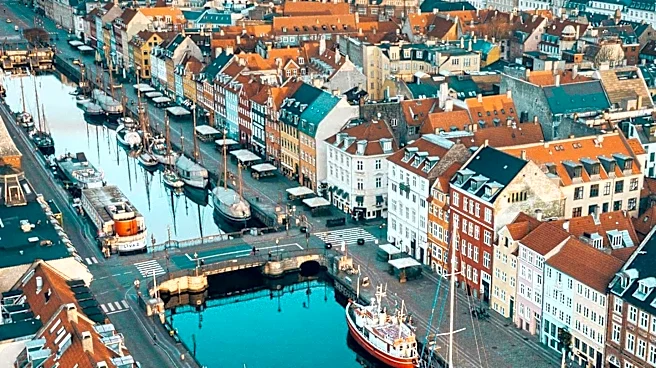
The Economist Intelligence Unit (EIU) has released its Global Liveability Index for 2026, ranking 173 cities worldwide based on their quality of life. Copenhagen, Denmark, has been named the most liveable city for the second consecutive year, achieving
perfect scores in stability, education, and infrastructure. The city also excelled in culture and environment. Vienna, Austria, and Melbourne, Australia, followed in second and third places, respectively. The report highlights the importance of factors such as healthcare, education, transport, and environmental quality in determining a city's liveability. Notably, no South Asian city made it to the top 10, with Karachi ranking 170th, Dhaka 171st, and Tripoli and Damascus at the bottom. The EIU attributes the low rankings of South Asian cities to challenges in political and economic stability, healthcare, infrastructure, and urban services.
Why It's Important?
The Global Liveability Index serves as a critical benchmark for assessing urban quality of life, influencing decisions by businesses, governments, and individuals. High rankings can attract investment, tourism, and skilled professionals, boosting local economies. Conversely, low rankings highlight areas needing improvement, potentially affecting economic growth and quality of life. For South Asian cities, the report underscores the need for significant improvements in infrastructure, healthcare, and governance to enhance liveability. This can impact policy decisions and urban planning strategies aimed at improving living conditions and attracting global attention.
What's Next?
Cities ranked lower in the index may face increased pressure to address the highlighted deficiencies. Governments and urban planners might prioritize investments in healthcare, infrastructure, and environmental initiatives to improve future rankings. The report could also influence international aid and development programs targeting urban improvement in low-ranking regions. For top-ranking cities, maintaining their status will require continued investment in sustainable urban development and addressing emerging challenges such as climate change and population growth.
Beyond the Headlines
The index highlights a growing global awareness of the importance of sustainable urban living. Cities that prioritize environmental quality, efficient public services, and cultural vibrancy are increasingly recognized as desirable places to live. This trend reflects a shift towards valuing quality of life over mere economic growth, influencing urban development policies worldwide. The emphasis on liveability could drive long-term changes in how cities are planned and managed, promoting more inclusive and sustainable urban environments.