



What's Happening?
Registration has opened for the 2026 Alaska Invasive Species Workshop, scheduled to take place from October 27-29 in Juneau. The event, coordinated by the University of Alaska Fairbanks Cooperative Extension Service in collaboration with the Alaska Invasive Species Partnership
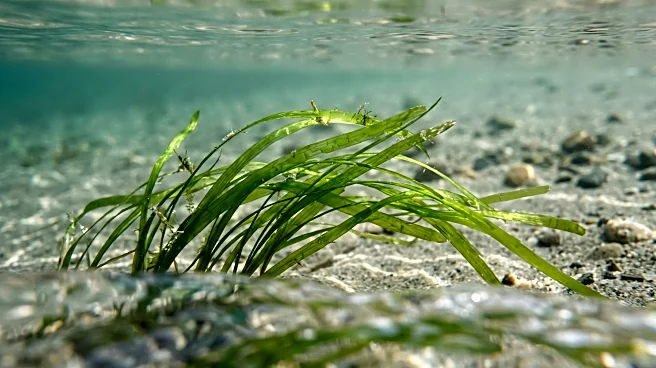
(AKISP), will serve as a forum for land and invasive species managers and scientists. This year's theme is "The Power of Proactive Conservation: Eyes on the Horizon, Solutions on the Ground." The workshop will feature discussions on various topics, including managing invasive species in a changing climate, invasive species ecology and research, early detection and rapid response efforts, and native plant production. Keynote speakers include Catherine de Rivera, a professor focusing on invasive species and habitat connectivity, and Kate Wyman-Grothem, a fish biologist addressing practical applications of invasive species risk assessments. A significant focus will be on the European green crab, which is spreading northward along the Southeast Alaska coast and poses a threat to Dungeness crab and eelgrass beds.
Why It's Important?
The workshop is crucial for addressing the growing threat of invasive species to Alaska's unique ecosystems and economy. Invasive species can outcompete native flora and fauna, disrupt food webs, and cause significant economic damage to industries like fishing and tourism. The focus on the European green crab, which directly competes with the commercially important Dungeness crab, highlights the immediate economic stakes for Alaska's fisheries. Furthermore, the emphasis on managing invasive species in a changing climate underscores the complex challenges posed by global warming, which can create new pathways for invasive species to establish and spread. By bringing together scientists and managers, the workshop aims to foster collaborative strategies for prevention, early detection, and rapid response, which are essential for protecting Alaska's biodiversity and natural resources. The event also provides a platform for sharing research and best practices, contributing to a more informed and coordinated approach to invasive species management across the state.
What's Next?
The workshop will proceed from October 27-29, offering both in-person attendance at the Centennial Hall Convention Center in Juneau and a virtual option. Attendees will engage in sessions covering a wide range of invasive species topics, with a particular focus on the European green crab and its impact. The insights and strategies discussed during the workshop are expected to inform future invasive species management plans and policies in Alaska. AKISP partners will continue their efforts to prevent the introduction of new invasive species, such as tracking and decontaminating recreational watercraft to prevent the spread of zebra and quagga mussels. The information shared by keynote speakers and other presenters will likely contribute to ongoing research and the development of practical applications for invasive species risk assessments. The workshop's outcomes will guide conservation efforts aimed at protecting Alaska's natural environment from ecological and economic harm.
Beyond the Headlines
The issue of invasive species in Alaska extends beyond immediate ecological and economic concerns, touching upon broader themes of environmental stewardship and the interconnectedness of global ecosystems. The workshop's theme, "The Power of Proactive Conservation," emphasizes a forward-thinking approach to environmental management, recognizing that prevention is often more effective and less costly than eradication. The discussion of the European green crab highlights how human activities, such as shipping and travel, can inadvertently introduce non-native species to new environments, leading to cascading ecological effects. This situation also underscores the importance of scientific research and interagency collaboration in addressing complex environmental challenges. The workshop serves as a reminder that even remote and seemingly pristine environments like Alaska are vulnerable to global ecological shifts and require continuous vigilance and adaptive management strategies to preserve their unique natural heritage for future generations.