





What's Happening?
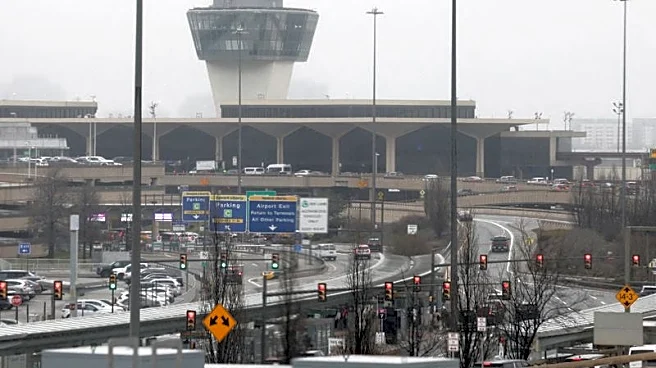
Airlines for America, a trade association representing major U.S. airlines such as American Airlines, United Airlines, and Delta Air Lines, has expressed concerns to the Trump administration regarding a proposal to reduce immigration processing at major airports.
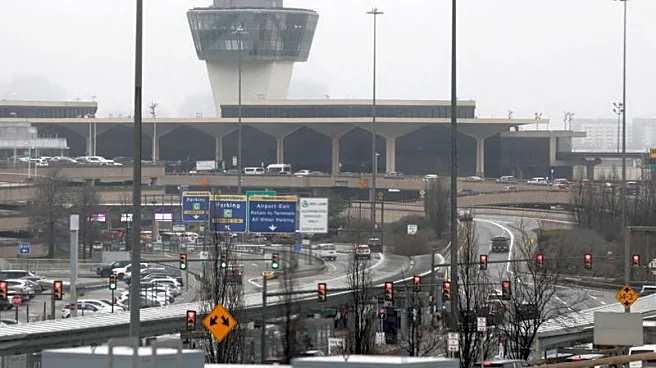
This proposal, which targets airports in 'sanctuary cities' like Newark Liberty International Airport, could significantly disrupt travel and air cargo operations. United Airlines CEO Scott Kirby is reportedly in discussions with Homeland Security Secretary Markwayne Mullin to address the potential negative impacts on travelers. The proposal is part of a broader strategy to pressure cities with lenient immigration policies by threatening to limit international flight processing. The plan, which has not been finalized, comes ahead of the FIFA Men's World Cup, raising concerns about its timing and potential impact on international travel.
Why It's Important?
The proposed reduction in immigration processing at major airports could have far-reaching consequences for the U.S. travel and tourism industry. Airports like Newark serve as critical hubs for international travel, and any bottlenecks could lead to significant delays and disruptions. This could affect not only passengers but also air cargo shipments, impacting businesses that rely on timely deliveries. The proposal is seen as a political maneuver to influence immigration policies in sanctuary cities, but it risks alienating key industry stakeholders and causing economic harm. The timing of the proposal, just weeks before a major international event like the FIFA Men's World Cup, adds to the urgency and potential fallout if implemented.
What's Next?
As discussions continue between airline executives and government officials, the industry is closely monitoring the situation. The Trump administration has not yet made a final decision, and the outcome of these talks could influence the direction of the proposal. If implemented, airlines and other stakeholders may need to develop contingency plans to mitigate disruptions. Additionally, there could be legal challenges from affected cities and industry groups, seeking to block or modify the proposal. The situation remains fluid, with potential implications for international relations and domestic policy debates on immigration.