


What's Happening?
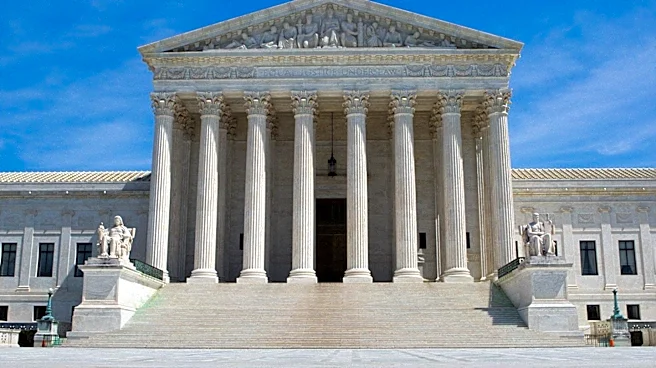
The U.S. Supreme Court is currently addressing several significant cases that could reshape American law. Among the issues under consideration are whether felony defendants in all 50 states are guaranteed 12-member juries, a question that could impact
numerous past convictions if the court rules against the 1970 Williams v. Florida precedent. Additionally, the court is examining whether assault weapons are protected by the Second Amendment, a debate that follows the 2022 New York State Rifle and Pistol Association v. Bruen case, which established a new historical and traditional test for gun regulation. Environmental law is also on the docket with Suncor Energy v. County Commissioners of Boulder County, an environmental law case concerning reimbursement for damages from a 2021 wildfire, with Boulder County arguing that fossil fuel companies suppressed information about climate change. The energy company contends that federal law preempts the county's ability to recover damages. These cases were discussed at GW Law's annual SCOTUS preview, highlighting the court's broad influence.
Why It's Important?
These cases carry substantial implications for legal and societal frameworks across the United States. A ruling mandating 12-member juries for felony defendants nationwide could necessitate retrials for many cases in the six states that currently do not require them, potentially straining judicial resources and altering plea bargaining dynamics. The Second Amendment case on assault weapons could either expand or restrict gun ownership rights, influencing gun control debates and public safety policies. The climate change litigation against Suncor Energy is critical for establishing precedents on corporate accountability for environmental damages and the interplay between federal and state law in climate-related lawsuits. The outcome could affect the fossil fuel industry's operations and future liability, as well as the ability of local governments to seek redress for climate-related disasters. The court's decisions will define the scope of individual rights, corporate responsibility, and governmental authority.
What's Next?
The Supreme Court will continue to hear arguments and deliberate on these cases. Decisions are anticipated to be released throughout the term. The outcomes of the jury size case could lead to legislative changes or judicial reviews in states currently not adhering to a 12-member jury standard for felonies. For the Second Amendment case, a ruling could prompt new legislative efforts at both federal and state levels regarding gun control or, conversely, strengthen existing gun rights. The climate change preemption case will likely set a precedent for how future environmental damage claims against energy companies are handled, potentially opening avenues for more litigation or limiting such actions based on federal preemption. Additionally, the court's use of the 'shadow docket' for emergency cases, which has drawn criticism for its lack of transparency and expedited process, will continue to be a point of discussion, with some justices expressing discomfort with its frequent application.
Beyond the Headlines
Beyond the immediate legal outcomes, these cases touch upon fundamental aspects of American governance and justice. The jury size debate reflects deeper questions about the fairness and efficiency of the judicial system, particularly concerning the balance between historical legal traditions and modern practicalities. The Second Amendment case delves into the evolving interpretation of constitutional rights in contemporary society, highlighting the tension between individual liberties and collective safety. The climate change litigation underscores the growing legal and ethical challenges posed by environmental degradation and corporate responsibility. These cases also implicitly address the role of the Supreme Court itself—its power to interpret the Constitution, its influence on public policy, and the perception of its impartiality amidst increasing political polarization. The discussions around the 'shadow docket' further emphasize concerns about judicial transparency and due process, suggesting a broader re-evaluation of the court's procedural norms.