



What's Happening?
President Trump's administration is intensifying efforts to curb leaks to journalists by issuing subpoenas, raising First Amendment concerns. Pentagon chief Pete Hegseth announced a joint task force between the Department of Defense and the Justice Department to identify
and prosecute leakers. Recently, subpoenas were issued to New York Times journalists, compelling them to testify before a federal grand jury regarding alleged federal criminal law violations. This follows the newspaper's reporting on security concerns related to Trump's new Qatar-gifted Air Force One. The FBI had requested the New York Times to delay publication due to national security concerns. The administration's approach, described as an escalation by press advocates, has drawn criticism for potentially infringing on press freedom.
Why It's Important?
The administration's actions could have significant implications for press freedom and the public's right to information. By targeting journalists with subpoenas, the administration risks creating a chilling effect, where sources may become hesitant to share information with the media. This could limit the press's ability to hold the government accountable, ultimately affecting public knowledge and democratic processes. The move has sparked debate over the balance between national security and the First Amendment, with press freedom advocates warning against using legal tools as a first resort against journalists.
What's Next?
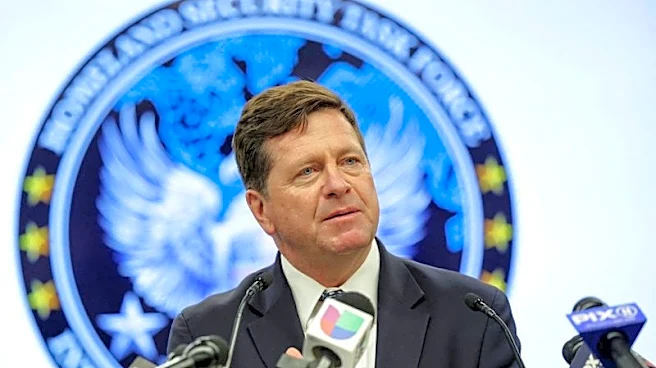
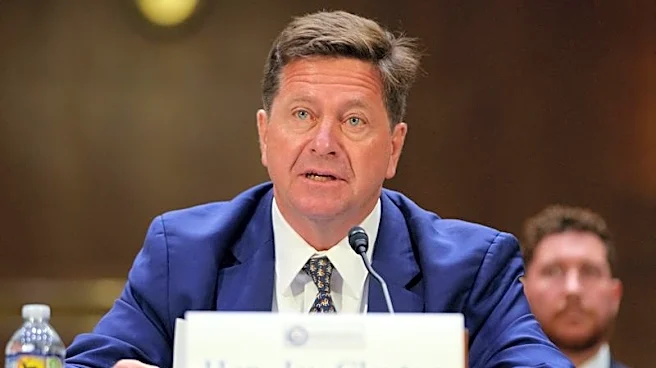
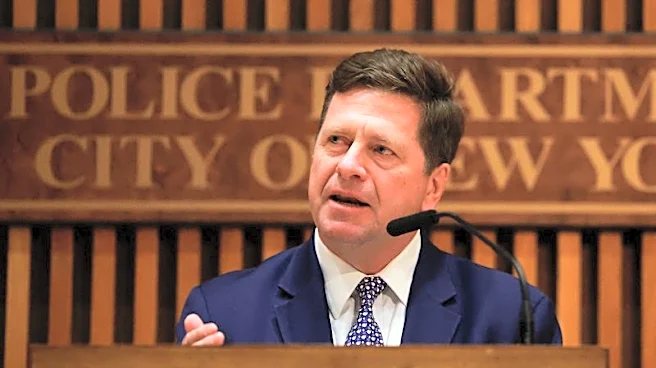
The confirmation hearing for Jay Clayton, nominated as the next director of national intelligence, is scheduled for July 15. Meanwhile, press advocates are pushing for legislative measures to protect journalists from government interference. The Protect Reporters from Exploitative State Spying (PRESS) Act, which aims to shield journalists and their sources, has stalled in the Senate. Additionally, the Privacy Protection Updates Act, introduced in March, seeks to close loopholes in existing laws that have been exploited by various administrations. These legislative efforts highlight ongoing tensions between government actions and press freedoms.